EN
What Result Can a Precision Lawn Mower Deliver on a Landscape Lawn?
A precision lawn mower can help a landscape team produce a more even, deliberate-looking cut, but the word precision needs a practical definition. It is not a promise that every lawn will look identical after one pass. On a landscape lawn, a good result comes from matching the lawn mower to turf conditions, setting a sensible cut height, planning the route, and checking the work after the machine stops. From a landscape-equipment selection perspective, those conditions matter before a buyer compares a single feature.
For property managers, contractors, and equipment buyers, the useful question is not simply whether a lawn mower cuts grass. It is whether the lawn mower supports a repeatable finish across open turf, borders, trees, drainage features, and changing grass growth. A precision lawn mower is most valuable when it helps an operator control those variables consistently while still respecting the manufacturer’s operating instructions and the site’s safety limits.
Start With the Result You Want to See
A landscape lawn is often judged visually from more than one direction. The desired result may include an even apparent height, fewer missed strips, clean transitions around planted areas, and a route that does not leave unnecessary tire marks or clumps. A lawn mower contributes to each of those outcomes, but it cannot correct poor turf health, hidden obstacles, saturated ground, or a cut-height setting that is wrong for the grass and season.
It is tempting to treat cutting width or power as the whole answer. In practice, a precision lawn mower should be evaluated as part of a work process. First define the lawn area and its edges. Then note the grass condition, obstacles, slopes, wet areas, access points, and frequency of mowing. This turns an abstract request for a better lawn mower into a list of conditions that can actually be checked.
How a Precision Lawn Mower Can Improve a Landscape Finish
1. More consistent overlap between passes
Visible striping or uncut ribbons usually reflect route control, overlap, deck condition, and operator habits rather than one specification alone. A lawn mower that can be guided predictably through straight sections makes it easier to maintain a modest, consistent overlap. The goal is not to maximize overlap, which wastes time, but to reduce gaps without repeatedly cutting the same ground.
2. Better control at boundaries
Landscape lawns commonly have tree rings, curbs, beds, irrigation heads, drains, and changes in surface level. A precision lawn mower can support a cleaner presentation when the operator identifies those boundaries before mowing and uses a route that leaves adequate room for detail work where needed. It is safer and more realistic to regard the lawn mower as one part of the finish, not a reason to force every tight edge into a machine pass.
3. A cut height that protects the turf
Precision also means avoiding an aggressive cut that makes the lawn look briefly short but leaves grass stressed. Extension guidance commonly describes the one-third rule: avoid removing more than one-third of the grass blade in one mowing event. The appropriate height still depends on grass type, growth conditions, and the property’s maintenance plan. A lawn mower with an adjustable, clearly repeatable height setting helps teams apply that decision consistently across scheduled visits.
4. A repeatable operating pattern
On large open lawns, a lawn mower can deliver a more uniform visual result when the team uses a documented starting point, pass direction, turn area, and finish check. Changing direction between maintenance cycles may be useful where it suits the site and turf plan, but it should not override safe access or the manufacturer’s instructions. A precision lawn mower earns its name when the process is repeatable, not when an operator has to improvise every route.
Conditions That Decide Whether the Result Is Realistic
Before selecting or deploying a lawn mower, inspect the work area. Measure or estimate the slope where the equipment will travel, identify holes and soft ground, and mark fixed hazards such as water edges, walls, curbs, and exposed irrigation components. For sloped ground, the manufacturer’s stated operating limit is the controlling reference. OSHA guidance also stresses terrain evaluation and manufacturer limits; a precision lawn mower should not be treated as a substitute for site-specific safety judgment.
Vegetation matters too. Fine, regularly maintained turf calls for a different approach from tall, dense, wet, or mixed vegetation. If grass has grown beyond the intended mowing interval, a lawn mower may need a staged approach rather than one severe cut. Blade condition, deck cleanliness, and the presence of debris can also affect the finish. These are simple checks, yet they often determine whether a landscape lawn looks even after mowing.
A Practical Verification Checklist
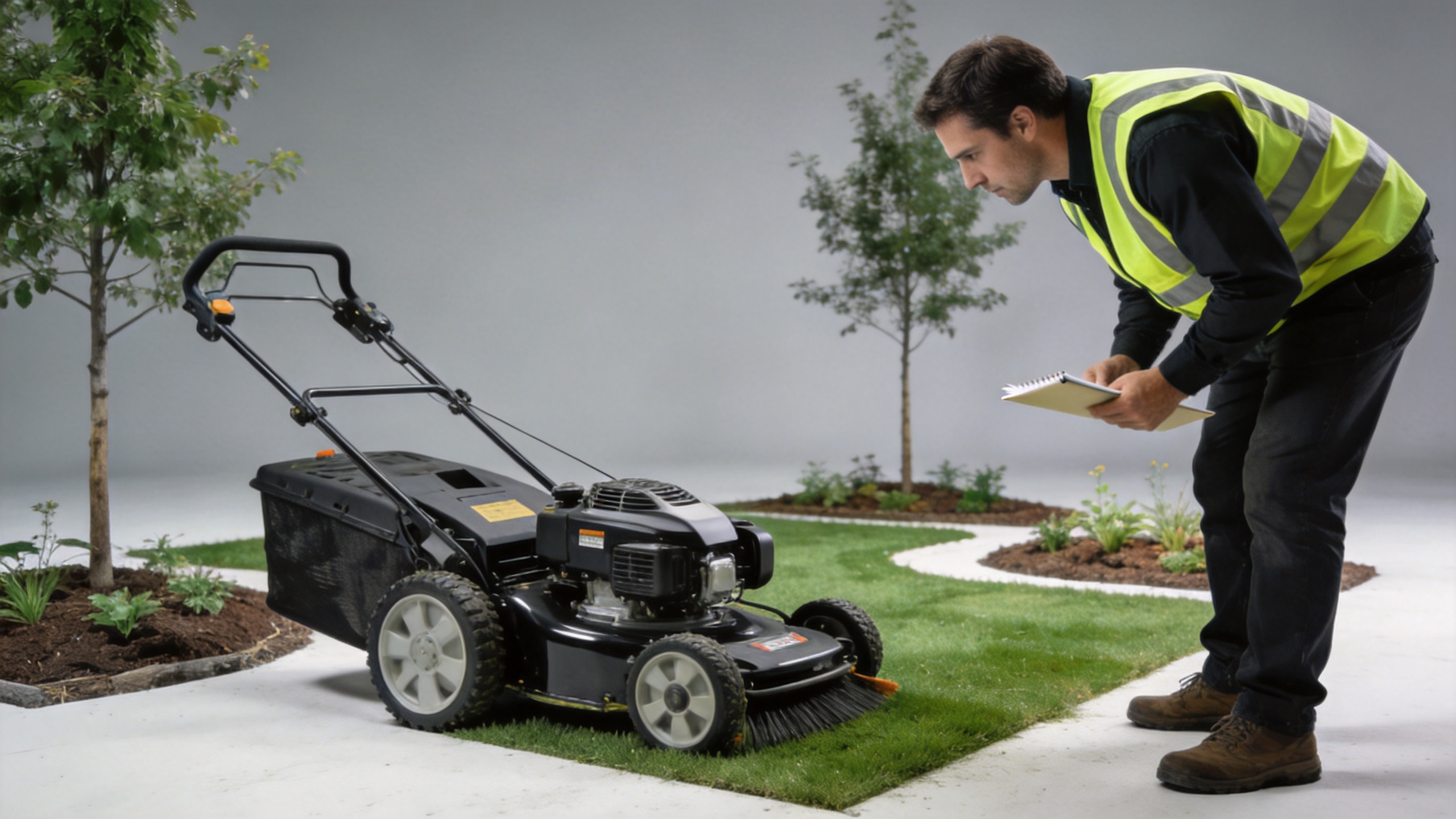
A precision lawn mower result should be verified in the field, not assumed from the equipment label. After the first section is complete, stop and assess the work from the approach direction and across the travel direction. The following checklist helps make the evaluation concrete:
- Cut consistency: Are there missed strips, scalped zones, or clearly uneven bands?
- Turf condition: Does the selected height avoid taking an excessive amount of leaf blade in one pass?
- Route quality: Are turns and overlaps controlled without repeated compaction or unnecessary passes?
- Boundary treatment: Are beds, trees, drains, and hard edges approached with enough clearance and care?
- Safety condition: Were slope, traction, surface moisture, obstacles, and manufacturer instructions checked before and during the task?
- Maintenance readiness: Are blades, guards, deck surfaces, controls, and visible fasteners inspected according to the applicable operating documentation?
This checklist is also useful during a product discussion. A supplier can better assess lawn mower suitability when the buyer shares lawn size, terrain, turf condition, expected mowing interval, access width, slope information, and any remote-control or operating-distance requirements.
Where a Lawn Mower Has Clear Limits
Even a well-matched lawn mower will not create a uniform result on unsafe terrain, deeply rutted ground, debris-covered turf, or grass that requires a different maintenance treatment. Precision does not mean working beyond a documented slope limit, mowing close to hazards without a plan, or making claims about productivity before the site and workflow are confirmed. It means setting realistic expectations and verifying them on the conditions that matter.
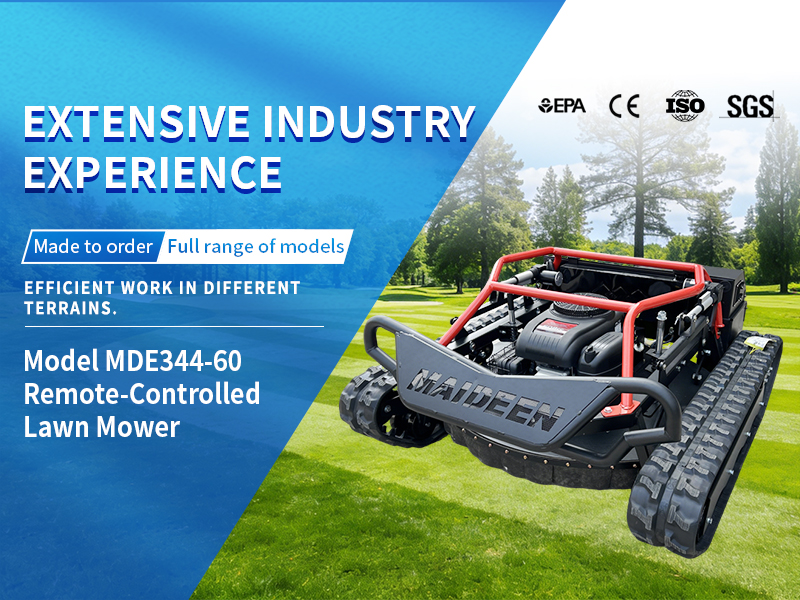
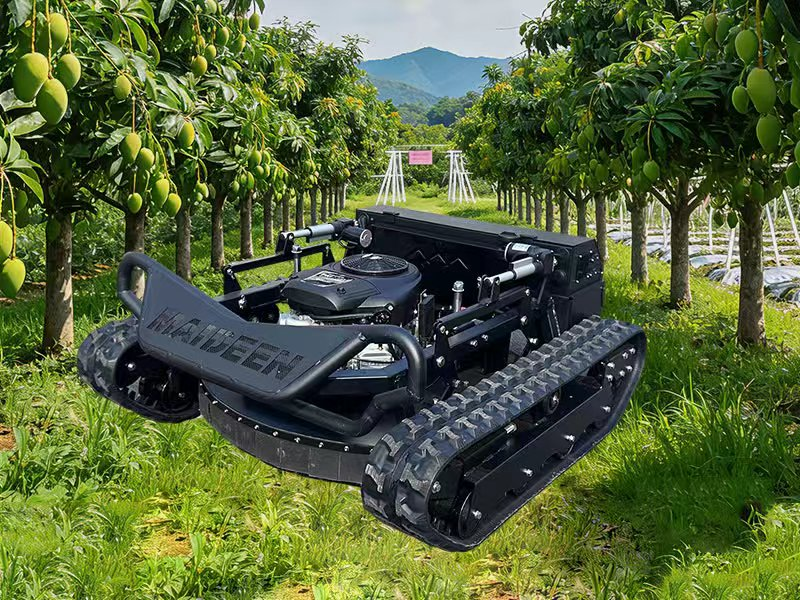
For buyers comparing equipment, Shandong Maide En Intelligent Technology Co., Ltd can use the site assessment as the basis for a more useful conversation about remote-control lawn mower configurations and related landscaping needs. Confirm the actual terrain, vegetation, route, safety requirements, and support expectations before deciding which lawn mower approach is appropriate.
Conclusion
A precision lawn mower can deliver a cleaner and more repeatable landscape-lawn appearance when the equipment, cut-height plan, route, and operating checks fit the property. The most credible result is not an unconditional claim about any lawn mower. It is a documented match between the lawn, the work method, and the machine’s verified operating boundaries. Start with the site, verify the first passes, and use that evidence to refine the mowing plan.