EN
What Upgraded Components Used On Premium lawn mower
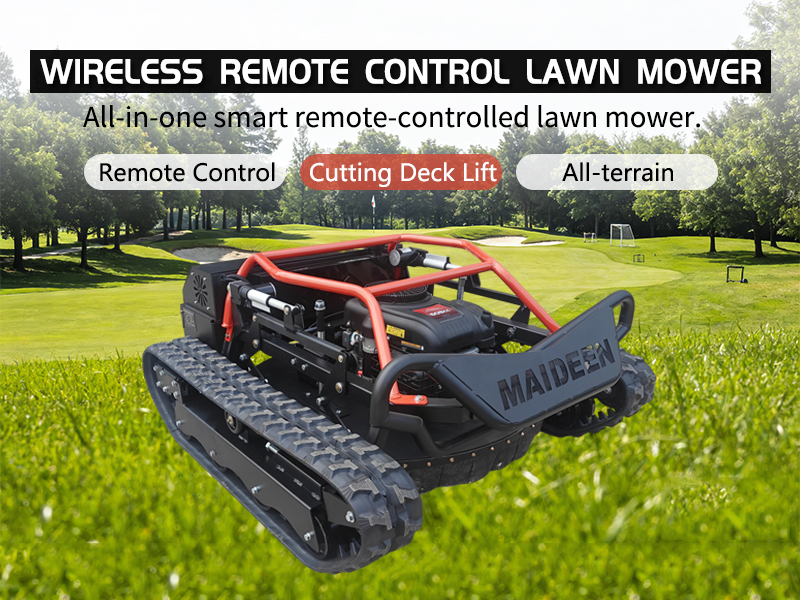
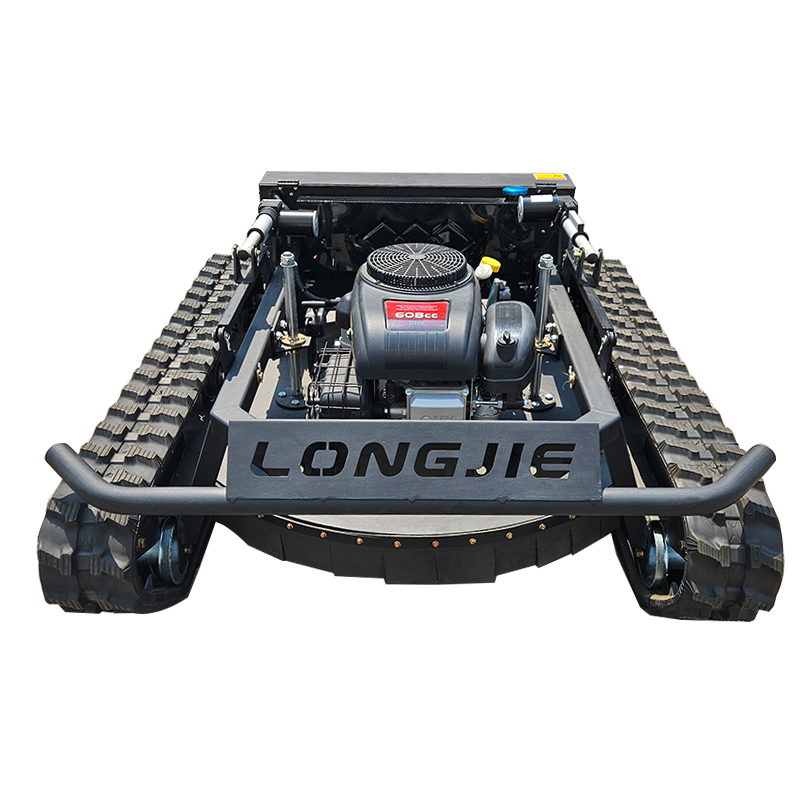
A premium lawn mower is not simply a standard machine with more features. Its useful upgrades should make a real difference to the mowing task, the operator’s control, and the maintenance plan. From a remote-mower technical explainer’s perspective, the sensible way to assess a lawn mower is to separate the deck, power transmission, controls, protection, and service points, then put each one back into the conditions where it will work.
The phrase premium lawn mower can mean different things to different buyers. One team may need a lawn mower that tolerates frequent work in tall vegetation; another may prioritize a component layout that makes inspection easier. Rather than treating every upgrade as automatically valuable, start with the task: terrain, grass condition, run time, turning space, operator training, and planned maintenance.
Start with the task, not the feature list
Engine output and deck size are often the first comparison points. In practice, they matter only alongside the mowing area, vegetation density, slopes, ground condition, and desired work rhythm. A lawn mower used occasionally on a regular lawn can need a very different component package from one expected to work repeatedly around uneven ground, boundaries, or seasonal growth.
A useful first check is to divide requirements into three groups:
- Must-have components: parts directly connected to safe operation and the site’s basic mowing demand.
- Work-efficiency components: upgrades that may improve control, traction, cutting consistency, or operator workload when the operating conditions justify them.
- Serviceability components: access, protection, and replaceable wear parts that affect how the lawn mower can be inspected and maintained.
This prevents a buyer from paying for an impressive-sounding option that does not solve an actual operating problem. It also gives procurement, technical, and operating teams a shared way to compare a premium lawn mower.
Deck and cutting-system upgrades worth examining
The cutting deck is where the task meets the machine. On a lawn mower, the meaningful questions are not only deck width or blade count. Ask how the deck is protected, how grass flow is managed, how height adjustment is set, and how quickly the cutting components can be inspected. A deck that is appropriate for dense or varied vegetation may need more robust protection and a layout that helps the operator check for buildup, wear, or impact damage.
Blade-related upgrades should also be discussed carefully. For walk-behind rotary power mowers covered by U.S. 16 CFR Part 1205, blade-control rules include continuous operator actuation and a blade-stop test; the rule discusses a three-second stopping requirement after blade-control release. That is a useful reminder to verify safety-control documentation for the specific mower format and market. It is not evidence that every premium lawn mower has the same control arrangement or regulatory status.
For any lawn mower, ask the supplier to identify the blade-control design, deck guarding, available cutting-height range, and inspection procedure in the model-specific documentation. A premium lawn mower should be judged by confirmable details, not by a generic claim that its cutting system is stronger.
Power transmission, traction, and structural components
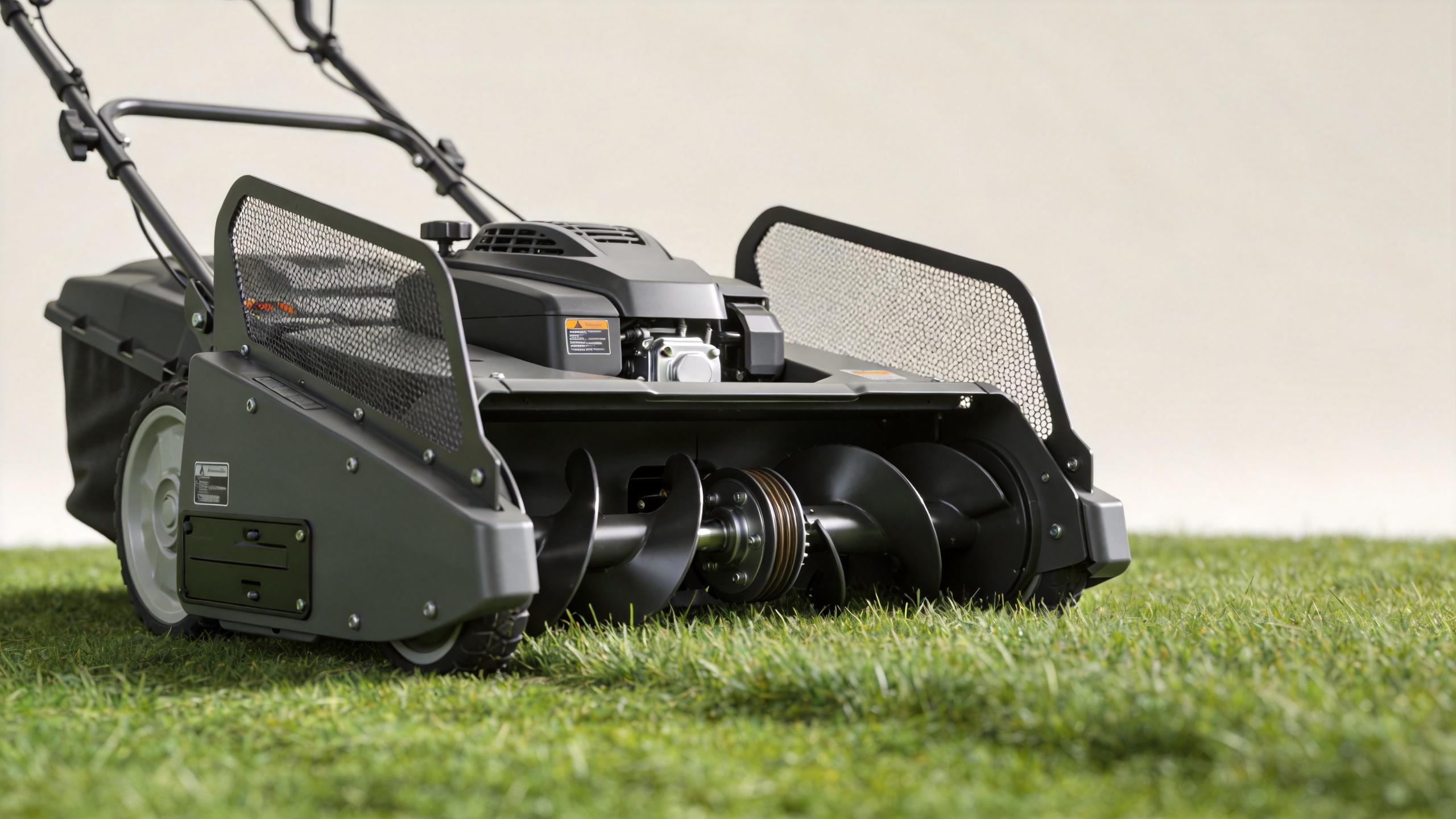
Upgraded driveline and traction components can be useful when the job includes uneven surfaces, frequent starts and turns, or long work cycles. Depending on the mower type, this discussion may include drive belts, gearboxes, hydraulic elements, wheel or track arrangement, bearings, and mounting points. The right question is: which component reduces a task-specific weakness, and what inspection or replacement routine comes with it?
For example, a more protected bearing or spindle arrangement may be relevant where dust, clippings, and moisture are persistent concerns. Yet a sealed or heavy-duty description alone does not prove suitability. Request the maintenance intervals, lubrication requirements where applicable, recommended wear-part list, and access method. A lawn mower becomes easier to keep in service when those answers are clear before purchase.
Structural upgrades deserve the same approach. Reinforced brackets, guards, or deck supports may matter where the operating area has rough ground or repeated boundary work, but they do not remove the need for site checks. If slopes, ditches, tree roots, loose material, or wet patches are present, follow the applicable operating instructions and site rules rather than assuming a heavier component makes every condition acceptable.
Control and protection upgrades should be treated as a system
A premium lawn mower may offer additional control features, protective shields, emergency-stop arrangements, or clearer access to routine checks. These are not isolated conveniences. They work with operator position, visibility, route planning, and training. Before comparing optional controls, identify who will operate the lawn mower, what line of sight is available, and how the work zone will be kept clear.
Before treating controls as an upgrade, confirm these points:
- How is blade engagement started, stopped, and restarted?
- Which guards or shields are fitted, and what is the correct inspection procedure?
- What happens if an operator releases the required control or an abnormal condition occurs?
- Which components must be checked before each shift, and which require scheduled service?
- What training, manual, and model-specific safety information are supplied for the intended market?
Efficiency matters, but a lawn mower should not be presented as risk-free. The upgraded component package is useful only when the operator’s procedures and the site conditions support it.
Serviceability often separates a useful upgrade from a costly one
Buyers sometimes focus on visible additions and overlook the time needed to inspect, clean, adjust, and replace parts. For a premium lawn mower, serviceability can be a decisive upgrade: accessible inspection points, clearly identified wear parts, sensible routing of service items, and documentation that explains what should be checked after work.
Ask for a component-level service checklist rather than a broad durability statement. It should cover blades or cutting parts, belts or drive elements, fasteners, guards, bearings or spindles where relevant, control cables or electrical connections, and the cleaning steps appropriate to the model. This approach keeps the conversation evidence-based and helps a buyer compare the long-term implications of each lawn mower configuration.
How to verify a premium component package before ordering
A short verification process helps. First, describe the mowing area: terrain, grass height and density, boundary hazards, access points, and work frequency. Next, match each proposed lawn mower upgrade to a named operating need. Then request the documents that show what is actually included in the offered configuration.
- Model-specific specification sheet and component list
- Operator and maintenance manual for the target market
- Photos or diagrams that identify guards, control locations, and service access
- Recommended inspection, cleaning, and replacement schedule
- Written clarification of any optional, customized, or market-dependent component
That final point is important. A premium lawn mower may be offered with different configurations, so features, compliance information, and service arrangements should be confirmed in writing for the exact model rather than assumed from a general brochure.
Conclusion
The most useful upgraded components on a lawn mower are the ones that make a documented difference to the real job: cutting-system protection for the vegetation, traction and structure for the ground, controls and guards for safe operation, and service access for planned maintenance. A premium lawn mower is therefore not defined by the longest options list. It is defined by a configuration that can be connected to the site, verified in product documentation, and maintained by the people who will use it.
Before requesting a quotation, prepare the terrain, vegetation, work-frequency, access, and maintenance details. Those inputs make it far easier to confirm which lawn mower components are necessary, which are optional, and which claims still need evidence.