EN
EN
How Does AI Robot Lawn Mower Adjust Cutting Height Automatically?
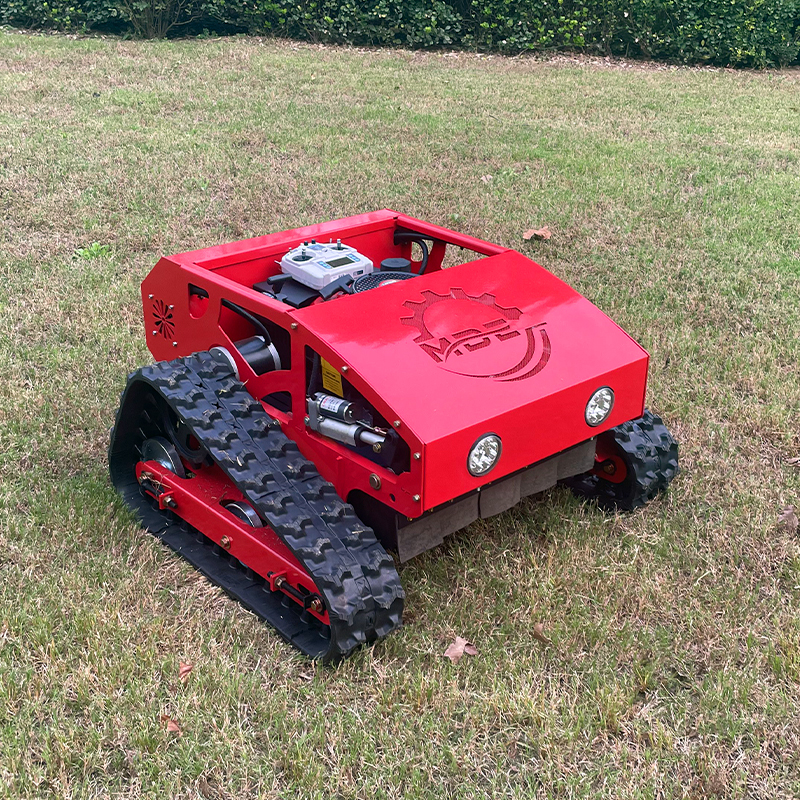
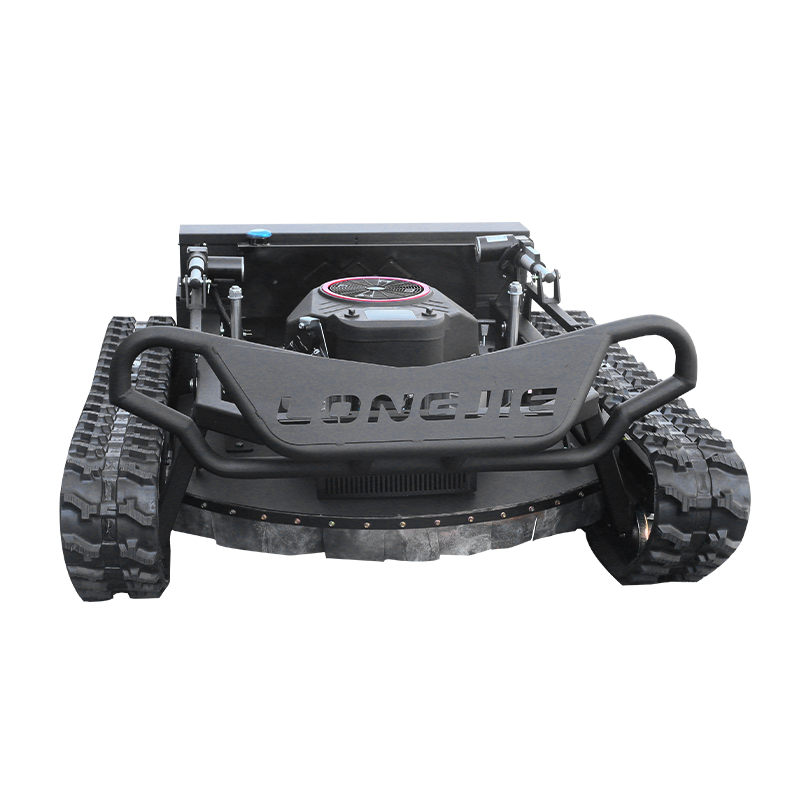
An AI robot lawn mower can make lawn care feel less like a weekly chore, but “automatic cutting-height adjustment” needs a careful explanation. A robot lawnmower needs a physical mechanism to move its cutting deck or blade assembly. Software, sensors, and a scheduled rule can decide when to request a different height; the machine hardware must still carry out that request. In practice, a robot lawnmower may offer manual height selection, app-controlled adjustment, or a genuinely automated routine. Those are different capabilities, and buyers should not treat them as interchangeable.
As a technical explainer, I start with the mowing condition rather than the feature list. A well-configured robot lawnmower should leave a consistent finish without scalping high spots, stressing turf, or repeatedly trying to cut growth that is too tall for one pass. The useful question is not simply whether an ai robot lawn mower has AI. It is what the mower can sense, what its control logic is allowed to change, and what the operator still needs to set.
First, Separate Height Setting From Automatic Height Adjustment
Most robot mower descriptions refer to an adjustable cutting-height range. That usually means the owner can choose a target height on the machine, in an app, or through a dial. The robot lawnmower then maintains that chosen deck position while it works. This is automatic mowing, but it is not necessarily automatic height adjustment.
A more advanced AI robot lawn mower may use rules or sensor data to select among preset heights. For example, software could delay a low cut after heavy rain, use a seasonal profile, or recommend a higher setting when it detects difficult terrain. The exact behavior depends on the model. Published examples illustrate why a spec sheet matters: one retrieved manufacturer guide lists a 1.2-to-3.6-inch user-adjustable range, while retail listings show other models with ranges such as 1-to-2.7 inches or 2.2-to-4 inches. Those ranges do not prove that every robot lawnmower changes height on its own.
What the AI System Can Observe
A capable robot lawnmower combines several inputs before making a mowing decision. Navigation hardware may include cameras, LiDAR, boundary references, wheel encoders, or satellite-positioning support. Separate sensors can detect tilt, lift, collision, wheel slip, motor load, rain, and battery state. An ai robot lawn mower can use these signals to adapt its route, pause, return to charge, slow down, or avoid an obstacle. Only a mower designed with a controllable deck actuator can turn that information into an actual cutting-height change.
- Terrain signals: tilt and wheel-slip data can show that the ground is uneven or a slope is affecting stability.
- Vegetation signals: camera-based classification or blade/motor-load changes may suggest denser or taller grass, but these signals are indirect and require conservative interpretation.
- Weather and schedule data: rain detection, forecast integration, and seasonal programs can influence whether a robot lawnmower should mow now or retain a higher target height.
- Safety signals: lift, obstacle, and boundary events take priority over cut-quality optimization.
The order of those checks matters. A robot lawnmower should not lower its deck merely because software sees a patch of thin grass if the ground is bumpy, wet, or outside the configured work zone. Safety and turf protection should come first.
How a Height-Adjustment Decision Typically Works
When automatic adjustment is available, the workflow is usually a closed loop rather than a single “AI” command. First, the robot lawnmower reads its permitted minimum and maximum cut heights. Next, it checks the lawn program selected by the owner, such as a spring growth profile or a maintenance profile. It then evaluates sensor conditions and estimates whether a change is appropriate. Finally, it commands the deck actuator to a permitted position and verifies the position through feedback from the mechanism.
- The owner sets the safe height range and mowing schedule for the robot lawnmower.
- The mower gathers route, terrain, weather, and operating data.
- Control software applies rules, learned patterns, or both within the owner-approved limits.
- The deck motor, lift mechanism, or blade-height actuator moves to the selected setting.
- The AI robot lawn mower continues to watch for overload, poor traction, obstacles, or lift events and can stop or revise the task.
In many products, “automatic” is limited to a recommendation or scheduled setting change that the user approves in an app. That is still useful, particularly for recurring maintenance, but it should not be presented as real-time grass-height measurement unless the manufacturer specifically documents that function.
Why Grass Growth Does Not Mean “Cut It Shorter”
A common mistake is assuming that fast growth should make a robot lawnmower lower its cutting height. Often the safer response is to mow more frequently while retaining the same target height. Taking too much leaf material in one pass can leave clumps, reduce finish quality, and put stress on the turf. A retrieved user discussion summarized the familiar maintenance principle as removing only about 1–2 cm at a time; that is practical context, not a universal product specification.
For this reason, an ai robot lawn mower that reacts to growth conditions may adjust frequency, route overlap, speed, or a temporary height target. The correct choice depends on grass species, season, moisture, blade condition, and the terrain. A robot lawnmower cannot infer all of those conditions perfectly from one sensor reading. Periodic human inspection remains important, especially after weather changes or when the lawn has been allowed to grow too long.
Mechanical Limits Matter as Much as Software
The height-control mechanism determines whether a feature can be automated reliably. Some machines use a simple manual dial. Others use an electric actuator controlled from an app. A robot lawnmower with electric height control may be able to follow a programmed schedule, while a model with no motorized lift cannot change height without physical intervention. Check the manual for the number of height steps, the usable range, the stated automation mode, and whether the setting applies to the whole mowing zone or only to a selected task.
Uneven ground is another boundary. Raising the deck can reduce the chance of scalping on crests, but it does not correct a poorly prepared lawn or eliminate blade-contact hazards. If a robot lawnmower repeatedly bogs down, strikes high ground, or leaves an inconsistent cut, inspect the site and blades before assuming the AI setting is wrong.
A Practical Setup Checklist
- Choose a baseline height appropriate for the grass type and season, using local lawn-care guidance.
- Confirm whether your robot lawnmower has manual, app-controlled, scheduled, or sensor-driven height adjustment.
- Set conservative minimum and maximum limits for the AI robot lawn mower.
- Walk the lawn for holes, loose objects, severe ruts, and edges that could affect deck clearance.
- Run a short test area after changing the height, then inspect the cut before applying the setting across the lawn.
- Clean the deck and examine blades regularly; a dull or obstructed deck can look like a control problem.
Bottom Line
An AI robot lawn mower adjusts cutting height automatically only when three pieces work together: sensors or schedule data identify a condition, software decides within safe limits, and a motorized deck mechanism can move to the new position. A robot lawnmower with an adjustable range is not automatically a mower with autonomous height control. Verify the model’s manual, start with conservative settings, and use frequent light mowing rather than aggressive height changes to protect the lawn. That approach makes the technology useful without asking it to make promises the hardware cannot support.