EN
EN
What Power Output Can Small diesel lawn mower Offer
A small diesel lawn mower is not automatically a low-output machine, and the useful answer is not a single horsepower number. Buyers comparing diesel lawn mowers should ask what the engine can sustain while driving the mower, handling dense grass, climbing modest grades, and maintaining safe control. A compact machine may have less physical size than a commercial zero-turn unit, yet its diesel engine can still be selected for steady torque and repeated work. The right choice begins with the task, not the headline rating.
From a mower-configuration perspective, the question is usefully separated into engine output, torque behavior, cutting load, and the conditions that absorb available power. This avoids treating one published figure as a promise of field performance. A small diesel lawn mower should be matched to grass type, mowing frequency, terrain, deck width, operator training, and the manufacturer’s approved operating limits.
Power output means more than advertised horsepower
Most listings for diesel lawn mowers highlight horsepower, often alongside engine displacement and deck width. Horsepower describes the rate at which an engine can do work, but it does not by itself show how the complete mower will behave in tall grass or on uneven ground. Some commercial search results show 25 hp diesel examples with 60-inch decks, which is useful context: deck width and intended duty rise with output. It is not a universal target for every compact mower.
When comparing diesel lawn mowers, verify whether a figure is gross or net power and at what engine speed it is measured. Gross power ratings can be higher because the test condition may exclude accessories that are present on an installed engine. Net ratings are therefore often more relevant for comparison, but the manufacturer’s literature should state the measurement method. Ask for the engine data sheet rather than comparing unlabeled horsepower figures.
For a small diesel lawn mower, usable output is shared between propulsion, hydraulic or mechanical drives, the cutting system, and auxiliary loads. A mower working at a steady pace through short, dry turf needs less reserve than one clearing wet, fibrous growth. That is why two machines with similar published engine power can deliver different mowing results.
Why torque matters to diesel lawn mowers
Torque is the twisting force available at the engine shaft. In practical terms, diesel lawn mowers are often considered for their ability to deliver useful torque at lower engine speeds, which can help an engine resist bogging when the cutting load changes. This is not a guarantee that every diesel mower will cut any vegetation. Blade condition, deck design, transmission setup, belt or hydraulic capacity, and travel speed still determine whether that torque reaches the grass effectively.
A useful way to assess a small diesel lawn mower is to ask how it performs when the operator reduces travel speed and the grass load rises. Request the engine torque curve, rated RPM, PTO or deck-drive information where available, and the recommended mowing conditions. These details are more informative than a claim that one fuel type is stronger in every situation.
For diesel lawn mowers used on repetitive maintenance routes, steady torque can be valuable when grass density changes across a site. Still, output should not be used as a reason to mow faster than the machine’s operating instructions allow. A clean cut, stable traction, and safe route planning take priority.
What a compact diesel mower can reasonably handle
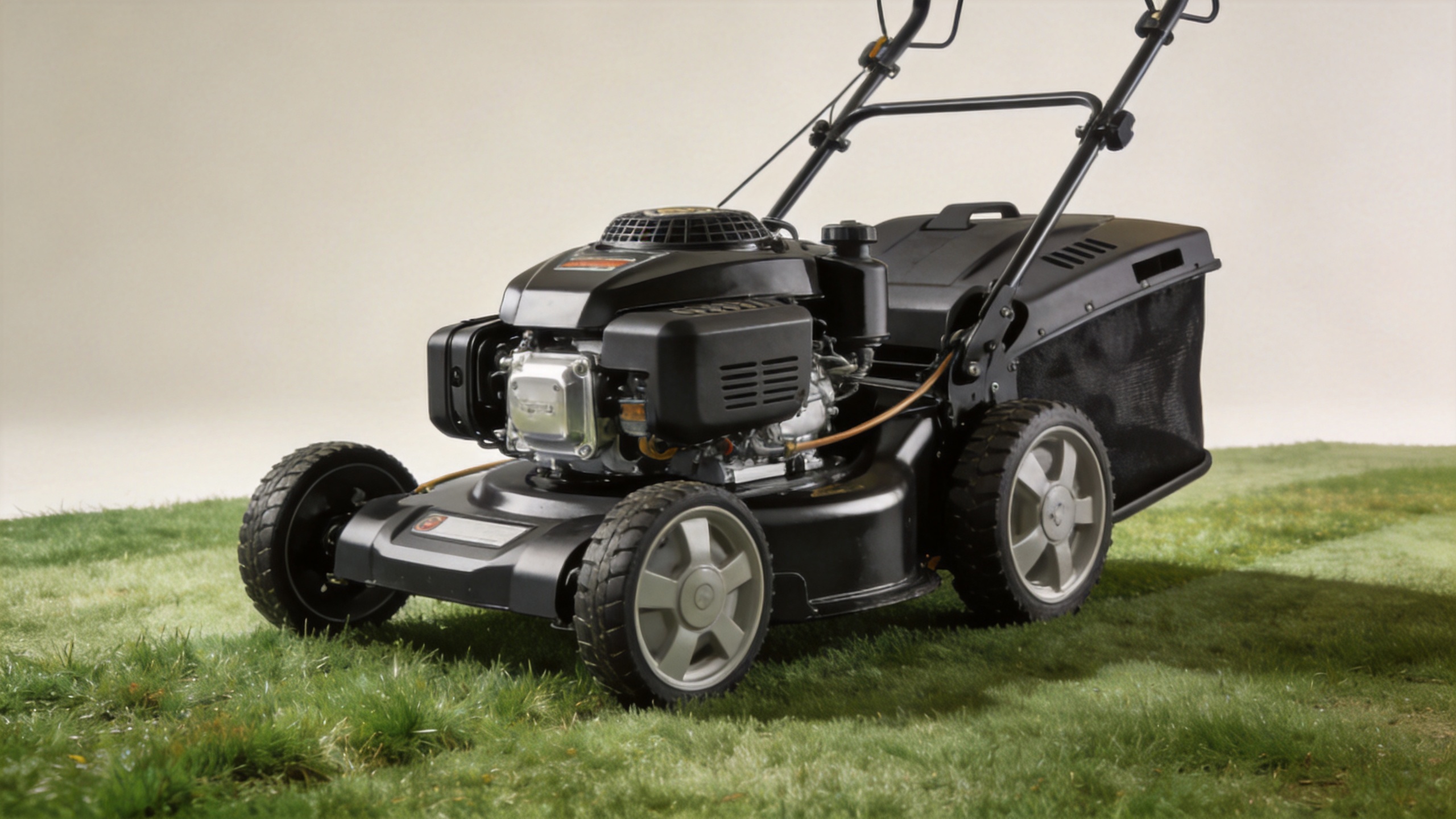
A small diesel lawn mower can be a credible option for managed lawns, estate work, orchard rows, landscaped commercial grounds, or repeated maintenance tasks when its deck, traction, and engine are specified for the site. The key is matching power output to workload rather than assuming that a smaller chassis belongs only on light work.
- Regularly maintained turf: Many diesel lawn mowers can maintain a consistent cut when grass height is controlled and travel speed suits the deck.
- Dense or tall vegetation: The operator may need a narrower pass, slower ground speed, or more frequent cutting. Confirm the manufacturer’s vegetation guidance before purchase.
- Slopes and uneven surfaces: Available engine power does not replace traction, center-of-gravity, braking, and slope-limit requirements. Follow the machine manual and site rules.
- Long workdays: Power should be reviewed with cooling capacity, fuel arrangement, maintenance access, and planned inspection intervals.
In other words, diesel lawn mowers are selected through a system view. More horsepower may help only if the deck, driveline, and site conditions can use it safely.
Match engine output to deck width and mowing load
The cutting deck is one of the main demands placed on a mower. A wider deck covers more ground per pass, but it can require more reserve when grass is dense or wet. When evaluating diesel lawn mowers, compare the deck width, blade count, deck-drive arrangement, and recommended forward speed together. Do not use engine displacement alone as a proxy for cutting ability.
A small diesel lawn mower with a moderately sized deck may be more suitable than a larger-deck alternative if the site includes trees, tight turns, narrow access points, or changing ground conditions. The selection question is not simply “How much power can it offer?” but “Can this combination hold blade speed and safe traction during the actual task?”
| Site condition | Power-output question to ask | Evidence to request |
|---|---|---|
| Open, maintained lawn | Can the machine sustain the planned deck and travel speed? | Rated engine output, deck specification, operating guidance |
| Thick or seasonal growth | What reduction in travel speed or pass width is recommended? | Vegetation guidance and torque/rated-RPM data |
| Slope or rough ground | What are the approved slope, traction, and operating limits? | Operator manual and safety instructions |
| Long maintenance route | What maintenance and cooling checks support sustained work? | Service schedule and inspection requirements |
A procurement checklist for diesel lawn mowers
Before comparing models, document the task. For diesel lawn mowers, this usually produces a better decision than beginning with a maximum horsepower filter. Record the total area, expected mowing interval, typical grass height, moisture conditions, slope, obstacles, access width, and operator experience. Then ask suppliers for a configuration review based on those conditions.
- Confirm the published output value, rating method, and rated RPM.
- Ask how the engine, drive system, and deck are matched on the proposed small diesel lawn mower.
- Review the approved operating limits for slopes, wet ground, visibility, and bystander control.
- Request service intervals, consumable parts information, and the records needed for maintenance planning.
- For any performance claim, request the relevant product documentation or demonstration conditions before treating it as confirmed.
Shandong Maide En Intelligent Technology can structure a mower discussion around terrain, vegetation, and work frequency. Configuration availability, exact output figures, and applicable documentation should be confirmed against the final product specification rather than inferred from a general diesel mower category.
Conclusion: use output as a starting point, not the final answer
Diesel lawn mowers can offer practical, sustained output for demanding maintenance work, but horsepower only tells part of the story. A small diesel lawn mower should be assessed by its rated power method, torque behavior, deck and driveline match, terrain limits, and maintenance plan. If the site conditions are clear, suppliers can give a more useful configuration recommendation and identify which figures still require verification. That approach keeps the purchase focused on safe, repeatable mowing rather than an isolated power claim.