
 EN
Diagnostic Insights From Field Operations And Small Engine Mechanics
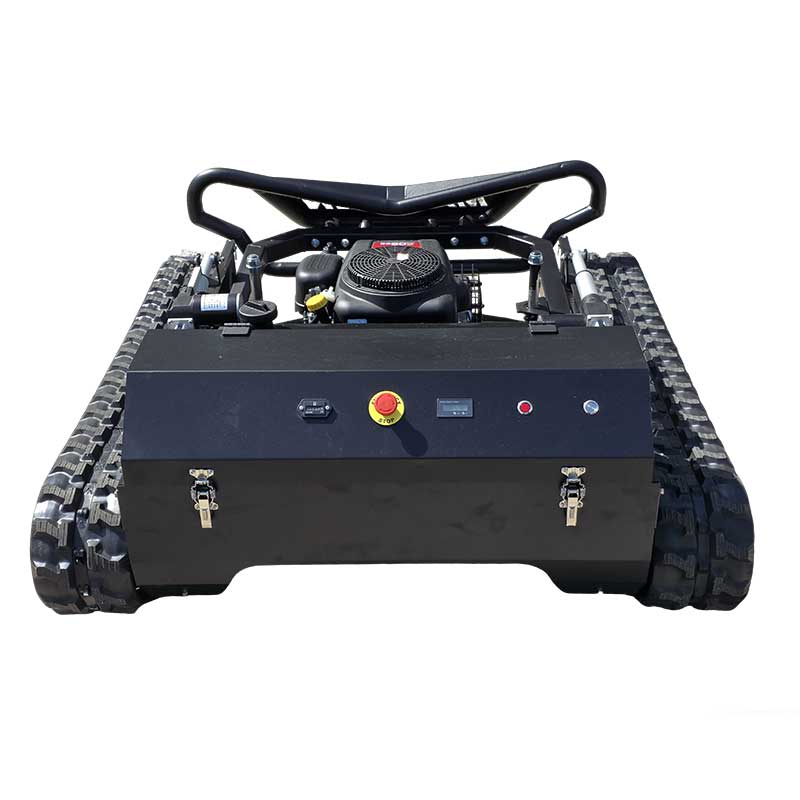
In our engineering laboratory and testing grounds at Shandong Maide En Intelligent Technology Co., Ltd, analyzing small internal combustion engine diagnostics forms a core part of our quality assurance process. Whether inspecting commercial power equipment or evaluating standard lawn care machinery, identifying recurring Yard Machine gas mower failures helps operators restore peak cutting performance and extend overall unit service life. When servicing small engines in field conditions, operators frequently encounter operational delays caused by fuel system blockages, electrical ignition disruptions, mechanical vibration issues, and drive transmission slippage. While professional-grade equipment like our MDE810-90A and MDE608-90A remote control mowers utilize heavy-duty Briggs & Stratton 810cc engines with global three-year warranty protection, smaller residential gas mowers often experience rapid wear due to light-duty components and neglected maintenance routines. Field diagnostics reveal that over eighty percent of recurring mechanical disruptions originate from preventable causes such as stale fuel residue, fouled spark plug electrodes, and clogged dual-stage air filtration media. Understanding these core failure mechanisms allows equipment owners to approach troubleshooting systematically, reducing repair downtime and ensuring consistent engine output throughout demanding mowing seasons.
Fuel System Degradation And Carburetor Malfunctions
Fuel contamination remains the primary driver behind common mower starting problems across all small gas engine platforms. Modern pump gasoline containing ethanol naturally attracts atmospheric moisture, leading to phase separation within fuel tanks during extended storage periods. When water-laden ethanol sits inside precision carburetor passages, it accelerates brass jet corrosion and forms thick varnish deposits that obstruct vital fuel delivery pathways. When troubleshooting fuel system issues, technicians first inspect the float bowl, main metering jet, and fuel intake lines for gelatinous residues or particulate blockages. Executing structured gasoline lawn mower troubleshooting requires verifying whether fresh fuel reaches the combustion chamber or if the needle valve remains stuck in a closed position. To mitigate recurring Yard Machine gas mower failures, operators should install inline fuel shut-off valves, use ethanol-free E0 gasoline whenever possible, and add fuel stabilization additives during every fill-up. Addressing fuel delivery restrictions promptly prevents lean air-fuel mixtures, reduces engine running temperatures, and eliminates unexpected engine stalling during heavy cutting tasks.
Electrical Ignition Failures And Spark Plug Diagnostics
A reliable electrical spark is essential for efficient air-fuel mixture ignition inside small internal combustion engines. When operators report common mower starting problems, electrical ignition faults are frequently responsible for engine cranking without firing. Over operational cycles, spark plug electrodes accumulate carbon crusts, oil deposits, or gap erosion, which weakens the electrical arc necessary for consistent combustion. Conducting systematic gasoline lawn mower troubleshooting involves removing the spark plug, inspecting the insulator porcelain for hairline fractures, and verifying the electrode gap using a feeler gauge. Beyond spark plug wear, faulty flywheel ignition coils, grounded safety kill switches, and corroded wiring harnesses can interrupt high-voltage current delivery. When diagnosing Yard Machine gas mower failures related to weak spark, technicians test ignition coil resistance and ensure proper air gap setting against the flywheel magnet. Maintaining clean electrical connections and replacing spark plugs every hundred operating hours guarantees immediate recoil start response, prevents unburned fuel buildup inside the exhaust muffler, and preserves engine power under heavy grass loads.
Air Intake Restrictions and Thermal Overheating Risks
Internal combustion mower engines require a precise balance of clean air and atomized fuel to achieve complete combustion. When airborne dust, dry grass clippings, and organic chaff accumulate on engine cooling fins or filter media, thermal regulation deteriorates rapidly. Unresolved airflow restrictions create rich fuel mixtures that cause heavy black exhaust smoke, fouled spark plug tips, and noticeable power drops during operation. During routine gasoline lawn mower troubleshooting, mechanics inspect paper and foam air filter elements for oil saturation or heavy dirt caking. Uncleaned air filters allow abrasive silica particles to bypass filtration barriers and enter the cylinder bore, causing accelerated piston ring wear and severe cylinder wall scoring. In advanced cases of thermal stress, engine oil breaks down quickly, increasing metallic friction across crank journals and connecting rod bearings. Resolving these Yard Machine gas mower failures requires cleaning primary air filter elements after every twenty-five operating hours and maintaining unobstructed engine cooling shroud passages to ensure stable operating temperatures.
Mechanical Vibration And Cutting Deck Component Wear
Excessive chassis vibration during mowing operation signals mechanical imbalance across rotational components, threatening structural integrity and operator safety. High vibration levels usually stem from bent crankshafts, damaged blade adapter keys, unbalanced cutting blades, or loose engine mounting bolts. When investigating Yard Machine gas mower failures involving severe deck shake, technicians turn off the ignition, disconnect the spark plug wire for safety, and inspect the blade assembly for impact damage from rocks or hidden debris. In addition to blade imbalance, drive belt slippage on self-propelled models causes inconsistent forward travel speed and premature pulley wear. To eliminate common mower starting problems caused by high mechanical drag, operators must ensure cutting decks remain clear of compacted grass accumulation. Cleaning the under-deck housing maintains proper aerodynamic lift, prevents blade binding, and reduces parasitic engine load. Applying proper torque specifications to blade bolts and replacing worn drive belts restores smooth energy transmission from the engine crankshaft to the cutting system.