EN
How Does Good price lawn mower Balance Cost And Durability
A good price lawn mower is not simply the model with the smallest number on a quotation. It is the option whose cost, work fit, and upkeep demands make sense together. For a landscaping team, farm, property manager, or equipment buyer, the practical value of a lawn mower depends on more than the purchase amount. It also depends on whether the machine can handle the site, whether essential configuration is included, and whether routine maintenance can be managed over time.
The goal is not to assume that a higher-priced mower is automatically more durable, or that an economical mower is unsuitable. Instead, use a structured comparison. Start with the work, identify the parts of the configuration that protect that work, and ask for documentation that makes the long-term decision easier to verify.
Price Is One Part of the Ownership Decision
When buyers discuss a good price lawn mower, they often compare the initial quote first. That is reasonable, but it is incomplete. Two offers can appear close in price while covering different equipment, support, delivery, or maintenance arrangements. One quote may include the configuration needed for a difficult mowing route, while another may leave that requirement as an option. Comparing only the headline price can hide the difference.
Separate cost into three layers: essential mower configuration, work needed to put it into service, and ongoing care. This prevents uncertain items from being treated as free or irrelevant.
- Essential configuration: the features required by the terrain, grass condition, access route, and operating method.
- Commissioning and use: delivery, assembly, site preparation, operator instructions, and any applicable safety process.
- Maintenance and support: cleaning, inspections, wear items, documentation, replacement-part identification, and technical communication.
Buying guidance for lawn equipment notes that a small additional spend at the low end of a category can sometimes improve performance. The lesson is not “spend more.” It is to compare what the additional amount actually changes for the intended work. If it does not improve a verified requirement, it may be optional. If it resolves an access, maintenance, or task-fit issue, it may protect the value of the purchase.
Start With the Mowing Conditions
The durability of a lawn mower is closely connected to how it is used. A machine selected for an even, regularly maintained area may need a different configuration from one used around slopes, uneven surfaces, taller vegetation, obstacles, or repeated work cycles. Before reviewing price tiers, make a short site brief for every offer under consideration.
- Describe the grass condition, including height, density, moisture, and seasonal variation.
- Identify slopes, soft ground, boundaries, trees, drainage features, stones, and turning points.
- Check access width, transport route, storage conditions, and the space available for safe operation.
- State how often mowing will take place and whether the task is occasional, scheduled, or repeated across several locations.
- Clarify who will operate the equipment and who will carry out routine checks.
This information helps buyers avoid a common false economy: selecting a lawn mower from a general listing, then finding that the actual route requires an omitted configuration. Area size is not the only selection input; terrain and workflow can change the result.
Protect the Features That Affect the Core Task
A sensible budget review distinguishes essential components from useful additions. Ask the supplier to show exactly what is included in the quoted lawn mower and what is optional. Then relate each item to the site brief. If an item directly supports access, handling, safety preparation, or the expected grass conditions, it deserves closer attention than a convenience feature with no documented use case.
| Review area | Question to ask | Cost-and-durability relevance |
|---|---|---|
| Work fit | What conditions is this configuration intended to address? | A suitable match can reduce avoidable strain and disruption in routine use. |
| Access and handling | Can the mower enter, turn, transport, and store within the actual site constraints? | Practical access is a requirement, not a cosmetic preference. |
| Operating process | What site checks and operator procedures apply? | Durable use depends partly on using the machine within its stated conditions. |
| Serviceability | How are relevant inspection points, consumables, and replacement parts identified? | Clear maintenance access supports planned care rather than reactive repairs. |
| Optional features | Which extras solve a documented task issue? | Optional spend should not displace the budget for essential suitability. |
For remote-control or mechanized mowing, added convenience does not remove the need for route planning, visibility checks, and site safety management. A low price does not offset an unclear operating process. Confirm the applicable operating information and evaluate the equipment within the conditions it is designed to handle.
Evaluate Durability Through Evidence, Not Claims
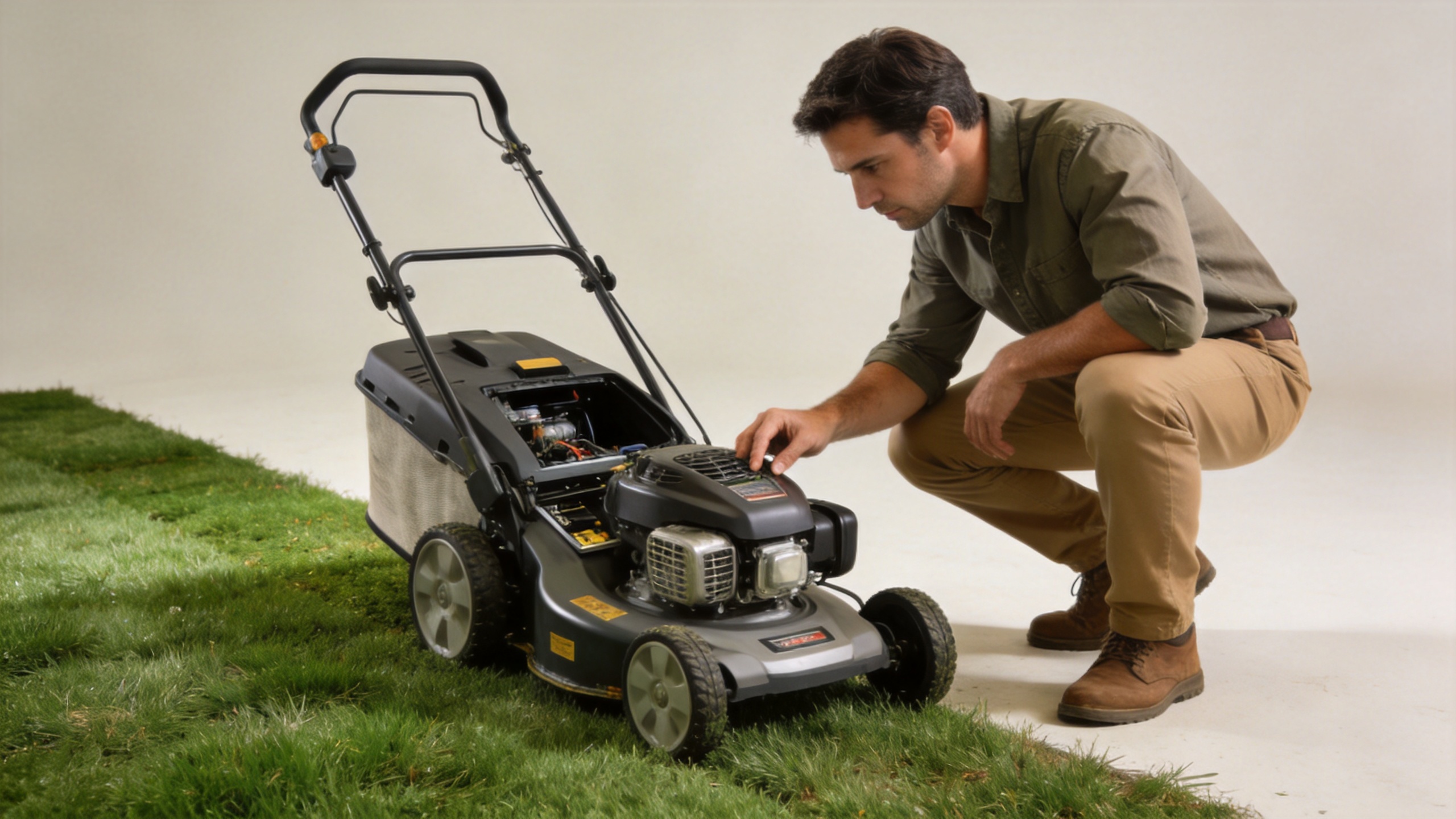
Terms such as “durable,” “professional,” or “heavy duty” are not enough on their own. A buyer should look for evidence that can be reviewed before ordering and for a service path that remains understandable after delivery. This is where a good price lawn mower becomes a documented purchasing decision instead of a guess.
Request the exact model or configuration description, applicable operation and maintenance documentation, and a clear explanation of components that need routine attention. The exact items will depend on the machine, but buyers can ask how blade condition, filters, belts, tires, cleaning, batteries, or other relevant parts are addressed. Do not impose a universal service interval from a generic checklist; follow the maintenance schedule supplied for the specific lawn mower.
Also clarify how parts are identified, how technical questions are handled, and what information is available for receiving inspection and initial setup. These checks help determine whether a lower-price offer has a workable support plan.
Compare the Quote as a Whole
Use the same comparison sheet for each lawn mower offer. The sheet should list the base configuration, every included item, each option, the stated assumptions about the job, and the documentation available for review. It can also track open questions so the team does not treat missing information as a favorable answer.
- Which site conditions did the supplier use when recommending the lawn mower?
- Which configuration elements are included in the current price?
- Which items are optional, and what work condition would justify them?
- What use, safety, and maintenance documents can be reviewed before purchase?
- How will relevant wear items and replacement parts be identified?
- What delivery, setup, storage, or operator considerations remain to be confirmed?
Comparing this information side by side helps procurement, technical, and operating teams identify different assumptions. The lowest offer may still be appropriate, but only after the included scope is clear.
Where Cost and Durability Meet
Cost and durability are not opposing goals. They meet when the purchase concentrates spending on the conditions that matter and avoids paying for additions that do not serve the job. For example, a buyer may decide that a clear maintenance path and site-fit configuration are more valuable than an extra convenience feature. Another project may prioritize transport or access because the machine moves between locations. The appropriate choice changes with the site brief.
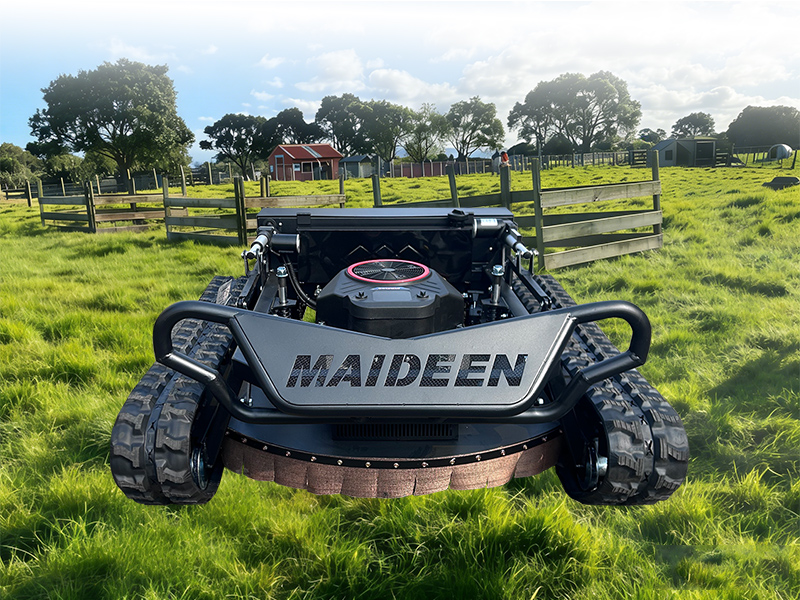
Shandong Maide En Intelligent Technology Co., Ltd. presents remote-control lawnmowers and agricultural machinery for global markets. Buyers considering a project-specific lawn mower can share terrain, vegetation, work frequency, access conditions, and operating expectations first. A supplier response can then be checked against those inputs. Final configuration, capability, delivery, support, and commercial terms should be confirmed in the applicable product and transaction documentation.
A Practical Inquiry Before You Buy
Before committing to a good price lawn mower, send a concise inquiry that explains the intended work and asks for evidence-oriented answers. Include the site conditions, grass condition, access limits, expected work frequency, operating preference, and any safety concerns. Then ask:
- Which lawn mower configuration is recommended for these conditions, and which assumptions still need verification?
- What is included in the quoted price, and what is optional?
- Which operating, safety, and maintenance documents are available for review?
- How are relevant service items and replacement parts identified for this configuration?
- Which changes in terrain, workload, or grass condition would alter the recommendation?
The answers make the comparison more concrete and show whether the offer has been matched to the job or is simply a generic price response.
Conclusion: Buy the Fit You Can Maintain
A good price lawn mower balances cost and durability when it is selected for the real mowing conditions, includes the configuration needed for the task, and has a maintenance and support path that can be verified. Begin with the work rather than the discount label. Keep essential requirements visible, treat unconfirmed items as questions rather than savings, and compare the complete scope of each quote. This approach helps buyers select a lawn mower that remains practical beyond the initial purchase decision.