EN
Cur segae pratum radiocommandatae praecisam habent dominationem in declivitatibus
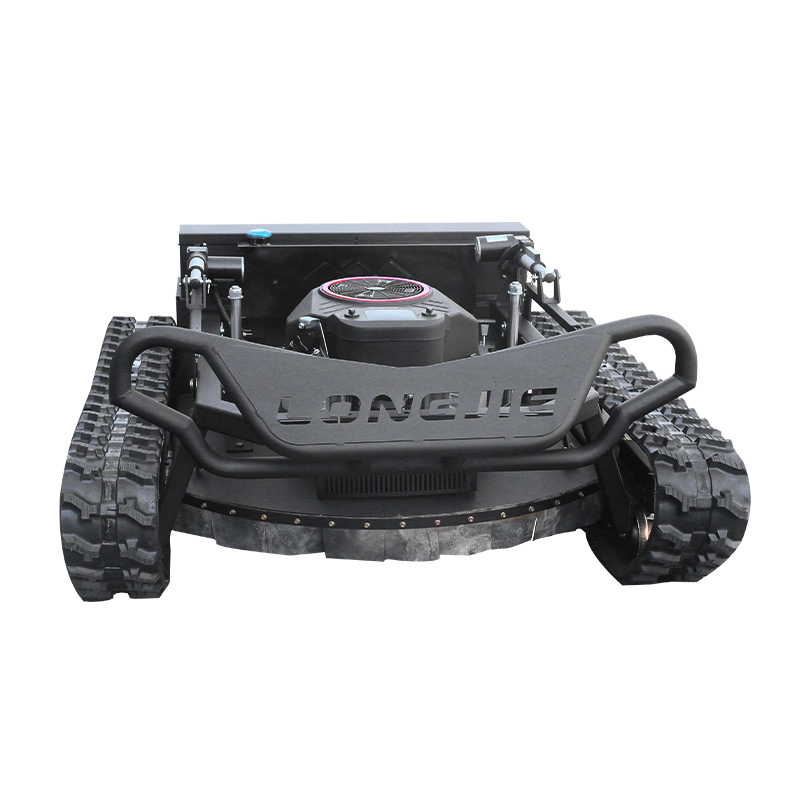
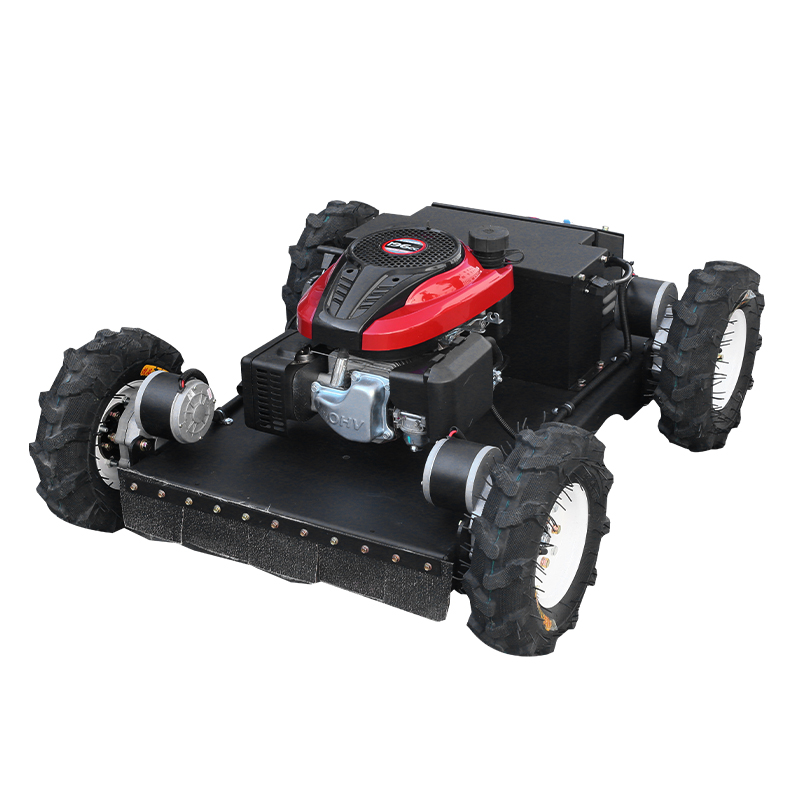
For a property manager facing banks, orchard rows, utility corridors, or rough perimeter ground, the hard part of mowing is rarely the grass alone. It is choosing a route that keeps the machine clear of hazards while the person directing the work can see what is happening. That is where an Rc tonstrinum gramini can change the conversation. Rather than requiring the operator to ride or walk immediately beside the cutting path, remote control lets the operator select a better observation point and make smaller, more deliberate corrections.
That does not make any hillside automatically suitable for mowing. Slope angle, surface firmness, vegetation, weather, hidden holes, drop-offs, and the particular machine’s approved limits still decide whether work should proceed. But on a site that has been assessed and where the equipment is appropriate, an Rc tonstrinum gramini can give a crew more control over position, pace, and turning decisions.
Precision incipit ex meliore visu declivitatis
Id est, unum Rc tonstrinum gramini dat operatori occasionem observandi antequam machinam in proximam terrae sectionem committat. Haec extra perspectiva utilis est solummodo dum operator manet attentus et sequitur instructiones apparatus.
In falciatrice conventionali, persona quae machinam operatur ad eius positionem alligatur. Depressio in terra, locus humidus, aut finis canalis drenantis fortasse non apparet nisi falciatrix iam prope eum sit. Cum Rc tonstrinum gramini , operator potest stare ubi declivitas, finis secandi, et obstacula facilius leguntur. Hoc altius perspicere iuvat in planificatione itineris: identificare ingressum tutum, statuere ubi versurae fiant, constituere zonas cesseris, et reliquos difficiles margines ad aliam methodum probatam reservare si opus sit.
The advantage is not simply distance. It is decision time. When the operator has a clear line of sight, small steering changes can be made before the mower reaches a rut, a fence line, or a change in surface. If visibility is lost, the correct response is to stop and reposition, not to continue on assumption.
Remote steering supports controlled line placement
Optime coniunctus Rc tonstrinum gramini can help turn a broad mowing area into shorter, visible passes. The operator should still choose each pass based on the actual surface, weather, and documented machine limits.
Slopes punish abrupt inputs. A quick direction change can shift a machine’s path at exactly the point where traction and weight transfer are already changing. An Rc tonstrinum gramini allows the operator to concentrate on line placement instead of balancing their own body on the ground beside the machine. On a well-planned pass, the operator can track the cutting edge against a visible reference, ease off before a turn, and keep the machine away from known hazards.
Pro offroad remote lawn mower this matters on terrain that is not uniformly smooth. Grass may hide shallow ruts, embedded stones, exposed roots, or transitions from firm soil to loose material. Remote control does not remove those risks, but it can make the response more measured: pause, inspect, adjust the route, or stop the task if site conditions are beyond the approved operating envelope.
Why speed control matters more on uneven ground
Cum Rc tonstrinum gramini approaches a change in grade, a prudent control input is often a smaller one made early. That approach helps preserve time for observation rather than treating the remote control as permission to rush.
Precision is also about pace. A mower moving downhill or around a corner needs room for the surface and machine response to be evaluated. OSHA guidance for riding mowers emphasizes following manufacturer slope limits, reducing speed on descents and around sharp turns, and avoiding sudden starts, stops, or turns. Those principles remain useful when evaluating remote equipment, even though a remote machine must be used only under its own manufacturer instructions and site rules.
An Rc tonstrinum gramini gives the operator a practical way to make pace changes while remaining in a safer observation position. Instead of rushing to finish a long pass, the operator can slow at a transition, check the route, and resume only when the machine is stable and the path remains clear. This is especially valuable when grass height or ground texture makes surface changes difficult to spot from a seated position.
Control is a route-planning process, not a feature list
Pro Rc tonstrinum gramini , documented limits are part of the control system, not an afterthought. A route that is comfortable for one configuration may be unsuitable for another, so field conditions and manufacturer information must be considered together.
It is tempting to compare slope-mowing equipment by a single claimed grade, engine specification, or remote range. In practice, a better selection discussion starts with the job. Measure or map the relevant slopes, note wet areas and drainage paths, identify ditches and unprotected edges, record vegetation density, and consider how the machine will enter, turn, stop, and leave the work zone. A capable Rc tonstrinum gramini still needs enough traction, stability, visibility, and control response for the actual site.
Petere a suppeditatore documenta quae ad exactam configurationem spectant. Confirmare limites declivitatis approbatas, controles, ordinem emergentis cessationis, ambitum operationis, postulationes manutentionis, statum custodiarum, et expectationes de instructione. Si locus includit descensus, aquam, accessum publicum, obstructiones superiores, aut terram incertam, constituere zonam exclusionis conservativam et obtinere peritam aestimationem securitatis. Nullum articulum blog potest substituere manuale operatoris, regulas locales, aut revisionem specificam loci de periculo.
Practicum praeparationis indicem ante operationem pro opere in declivitate
Utere hanc listam ante omnem operationem in declivitate quae involvit Rc tonstrinum gramini ; est auxilium planificandi, non autem substitutum manuale specificum modello vel formalis aestimatio periculi.
Antequam mittitur Rc tonstrinum gramini in declivitatem, turba potest uti brevi, repetibili inspectione:
- Confirm the machine: Verificare exactum modellem, manuale operationis eius, custodias, controles, functionem cessationis, et conditiones approbatas a fabricante.
- Ambulare aut inspicere locum: Cerca foramina, terram laxam, gramina humida, saxa, sordida abscondita, fossas, margines retinentes, et loca ubi radiocommunicatio impeditur.
- Statue iter: Elige punctum initiale, loca conversionis, stationes, et fines qui spatium inter se et pericula servent.
- Elige punctum observationis: Sta ubi machina, via secandi, et area fugae vel stationis semper videntur. Noli in lineas visus intermittentes confidere.
- Parate communicationem: Tene spectatores et alios operarios extra zonam laboris, et convenite signa stationis ante initium machinae.
- Reconsidera cum condicionibus mutatis: Desine post pluviam, cum adhaesio mutatur, cum vegetatio viam abscondit, aut quotienscumque novum periculum apparet.
Ubi sega radiocontrolata introire potest
An offroad remote lawn mower potest esse utilis cum turba opus ducens extra directum secturam tenere debet, sed solum postquam tractio, conditio terrae, et lineae visus examinatae sunt.
An Rc tonstrinum gramini maxime suadet cum operatio falciandi operatoris ad gradus difficiles, terrenum irregulare, aut ad spectandum plures limites simul exposuit. Ripae viarum, margines solarium, aggeres, pomaria, et magnae pendentes areae ornatae omnes possunt ex beneficio fluxus operis per remotum controllem, si machina idonea est et opus bene planatum. Minus aptum potest esse cum area nimis angusta est, superficies instabilis, visibilitas mala, aut requisita localia aliam methodum exigunt.
Quaestio utilis non est "Potestne falx remota hanc pendem secare?" Sed "Potestne haec particularis machina operari intra limites suos documentatos dum turba claras habet lineas visus, viam regulatam, et fidam viam ad sistendum?" Sic proposita, valor Rc tonstrinum gramini fit clarius: potest adiuvare operatores ut machinam magis deliberative ponant et se ipsos e zona directa sectionis removiant, dum tamen assessio loci disciplinata et institutio necessaria manent.
Summa Conclusio
Vis practica unius Rc tonstrinum gramini est positio controlata: operator potest machinam inspicere ex loco utiliore dum iter conservatur. Hoc commodum dependet ab apto apparatu, usu instituto, et assessmento loci quod repetitur quotienscumque condiciones mutantur.
Praecisio in pendentiis oritur ex visibilitate, impulsibus gradatim datis, planificatione itineris, et voluntate sistendi cum condicionibus mutantur. Unus Rc tonstrinum gramini haec consuetudines sublevat separando operatorem ab itinere immediato machinae et permittendo decisiones de controllo ex meliore loco observationis. Antequam eligitur, apparellus ad condiciones terrae verificatas adaptandus est et documentatio specifica modello necessaria ad operationem tutam et informatam obtinenda.