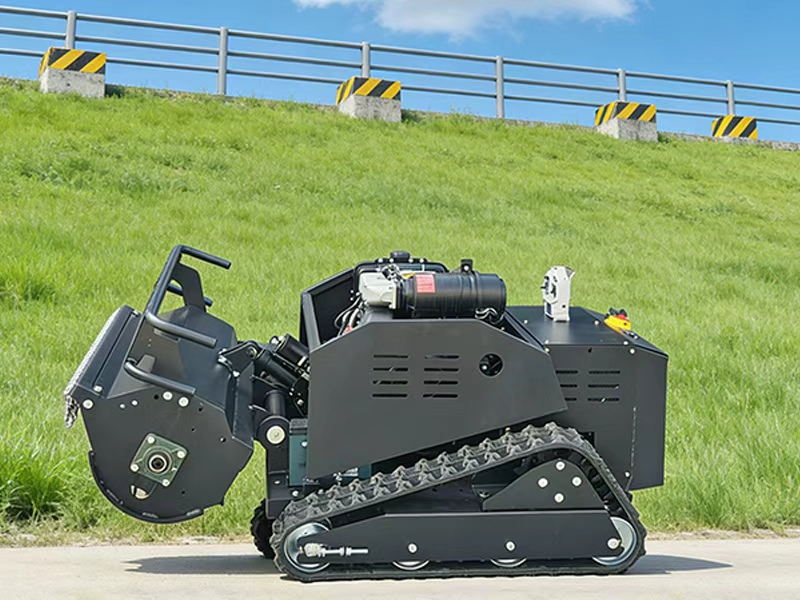
When managing large-scale municipal landscaping operations, highway turf maintenance contracts, expansive corporate campuses, or agricultural acreage, equipment durability and operational boundaries are critical factors that directly influence project profitability and fleet longevity. Facility managers and equipment operators frequently inquire about the industrial lawn mower continuous work hour limit in order to optimize daily shift scheduling, prevent premature mechanical failure, and ensure that turf maintenance projects are completed on schedule without unexpected equipment breakdowns. Shandong Maide En Intelligent Technology Co., Ltd. designs robust, heavy-duty machinery built specifically for demanding industrial environments, yet understanding the delicate balance between machine thermal thresholds, hydraulic fluid integrity, and operator endurance remains an absolute essential for successful fleet management. Operating heavy-duty turf maintenance machinery requires strict adherence to engineering limitations, routine maintenance intervals, and comprehensive safety protocols to guarantee long-term reliability and consistent cutting performance across diverse topographical conditions. In professional turf care, pushing equipment beyond its engineered design parameters not only risks severe mechanical damage but also compromises operator safety and increases long-term operational expenditures. Therefore, establishing clear operational protocols regarding the industrial lawn mower continuous work hour limit is paramount for modern landscaping enterprises seeking maximum efficiency and sustainable equipment utilization. Proper workload distribution ensures that mechanical stress is evenly managed across the entire fleet throughout demanding seasonal cycles.
A primary determinant in daily operational productivity is the commercial mower runtime achieved under continuous heavy-load conditions. Heavy-duty commercial mowing equipment generates substantial thermal output within its multi-cylinder internal combustion engines, hydrostatic transmission systems, and high-capacity deck gearboxes. Without adequate cooling intervals and proper airflow, sustained operation beyond recommended thermal thresholds can lead to lubricating oil breakdown, accelerated internal component wear, seal degradation, and potential hydrostatic pump slip. Shandong Maide En Intelligent Technology Co., Ltd. engineers its industrial equipment with advanced cooling fins, oversized radiator cores, and optimized airflow routing designed to extend continuous operational cycles significantly. However, even with superior thermal engineering and high-grade materials, fleet operators must carefully evaluate the commercial mower runtime relative to ambient temperature conditions, terrain gradient, soil moisture, and turf density to prevent overheating and thermal fatigue. Monitoring hydraulic oil temperatures and engine coolant gauges during peak summer operating hours allows operators to implement strategic cooling pauses before thermal alarms are triggered, thereby preserving the structural integrity of vital powertrain components and extending the overall service life of the machinery. Regular lubrication and coolant inspection further support stable thermal regulation during extended multi-hour operational shifts.
Beyond mechanical limitations and thermal boundaries, regulatory standards and occupational health mandates dictate operational parameters designed to safeguard personnel and minimize workplace hazards. Adhering strictly to OSHA mower safety guidelines is mandatory for commercial landscaping contractors and municipal fleet operators to mitigate risks associated with whole-body vibration exposure, excessive acoustic noise levels, rollover hazards, and fatigue-induced operator error. Continuous operation of heavy turf maintenance equipment exposes workers to prolonged mechanical vibration and repetitive physical strain, which can compromise concentration, induce physical exhaustion, and increase workplace incident rates. Shandong Maide En Intelligent Technology Co., Ltd. incorporates ergonomic suspension seating, vibration-dampening deck isolators, and intuitive, user-friendly control layouts to support operator well-being and reduce physical fatigue during extended shifts. Implementing structured rest breaks every two to four hours aligns directly with established safety recommendations while preserving overall operator alertness and productivity across large-scale commercial projects. Furthermore, conducting pre-operation safety inspections, verifying roll-over protective structures (ROPS), and ensuring seatbelt utilization are fundamental practices that reinforce a safety-first culture within professional maintenance teams. Comprehensive safety training programs also ensure that operators understand emergency shutdown procedures and hazard recognition protocols.
To achieve optimal equipment longevity and maintain peak operational efficiency, fleet managers must establish structured preventive maintenance intervals and comprehensive daily operational guidelines. Implementing a rotational duty cycle where equipment alternates between active mowing and routine inspection allows engines to cool down naturally and gives operators an opportunity to perform necessary checks. Monitoring hydraulic fluid cleanliness, air filter condition, coolant levels, and blade sharpness directly impacts operational performance by reducing unnecessary mechanical drag, optimizing fuel consumption, and preventing excessive strain on the cutting deck spindles. Shandong Maide En Intelligent Technology Co., Ltd. strongly recommends rigorous daily pre-start checklists and post-operation cleaning procedures to remove accumulated grass clippings, dirt, and organic debris that can insulate engine blocks and trap residual heat. By balancing workload distribution across multiple machines and adhering to recommended commercial runtime thresholds, organizations can significantly reduce maintenance overhead, minimize unexpected downtime, and maximize return on capital investment over the lifespan of the commercial fleet. Technicians should also maintain detailed service logs to track component wear patterns and anticipate replacement schedules before failures occur.
Navigating the complexities of heavy-duty landscape maintenance requires a comprehensive, multidimensional understanding of equipment mechanical capabilities, safety standards, and environmental variables. Respecting the established industrial lawn mower continuous work hour limit ensures that machinery maintains peak hydraulic pressure, optimal cutting torque, and structural reliability throughout extended seasonal shifts. By integrating robust commercial mower runtime management with stringent adherence to OSHA mower safety guidelines, facility managers and municipal contractors can create a safer, more efficient, and highly sustainable operational workflow. Shandong Maide En Intelligent Technology Co., Ltd. remains steadfastly committed to delivering durable, high-performance machinery designed to meet the rigorous, demanding requirements of professional turf management professionals worldwide, ensuring that every project is executed with precision, safety, and unwavering reliability. Moving forward, continued innovations in electric powertrain integration and telemetry monitoring will further enhance efficiency, reduce environmental impact, and provide real-time diagnostic insights for fleet operators across global markets.

 EN
EN