EN
Why Euro standard lawn mower Gain Access To EU Market
For an equipment maker, EU market access is not won by putting a label on a product page. A lawn mower reaches the right market only when its intended use, safety design, technical evidence, and product information can be checked together. That is why a Euro standard lawn mower project should start with a documented route to conformity rather than a last-minute request for a certificate.
From a B2B procurement perspective, the useful question is not “Is this lawn mower good enough for Europe?” It is “Which product version, operating conditions, documents, and responsible parties must be verified before this lawn mower is placed on the EU market?” That distinction keeps export conversations practical and prevents claims that the available evidence does not support.
What “EU market access” means for a lawn mower
EU market access is a product-specific compliance process. The applicable framework can depend on the design and intended use of the lawn mower, including whether it is walk-behind, ride-on, remotely controlled, or supplied with safety-related electronic functions. A manufacturer should therefore confirm applicability before treating any generic “European standard” statement as a conclusion.
The European machinery framework requires manufacturers, where applicable, to demonstrate compliance with essential health and safety requirements through the relevant conformity assessment procedure. The practical sequence includes preparing technical documentation, issuing an EU declaration of conformity, and affixing CE marking after compliance has been demonstrated. Those steps are evidence-based responsibilities, not marketing features of every lawn mower.
A Euro standard lawn mower should consequently be discussed as a verified configuration. If controls, guarding, power system, attachments, software, or intended operating environment change, the documentation review may need to change as well. This is especially important when a lawn mower is sold through distributors who need accurate instructions and product identification for their own records.
Start with the task, not a list of promised standards
It can seem intuitive to begin with model specifications. A stronger route is to define the work first: terrain, slope, grass density, obstacles, mowing frequency, operator location, and transport method. The same lawn mower can create different hazards on an open maintained lawn, a rough orchard edge, or a wet slope. A compliance review has more value when those conditions are explicit.
- Intended use: Describe the vegetation, surface, operating area, and limits for the lawn mower.
- Foreseeable misuse: Identify use around bystanders, slopes, debris, poor visibility, or unsuitable surfaces that should be prevented or addressed.
- Configuration: Record the cutting system, drive, control arrangement, guards, emergency-stop functions, and supplied accessories for the exact lawn mower version.
- Operator process: Define pre-use inspection, work-zone controls, start-up, operation, shutdown, and maintenance instructions.
This task-first method helps a buyer compare a Euro standard lawn mower proposal with the actual site. It also gives engineering, quality, and sales teams the same baseline when they assemble a technical file or answer distributor questions.
Build the evidence package before making a market claim
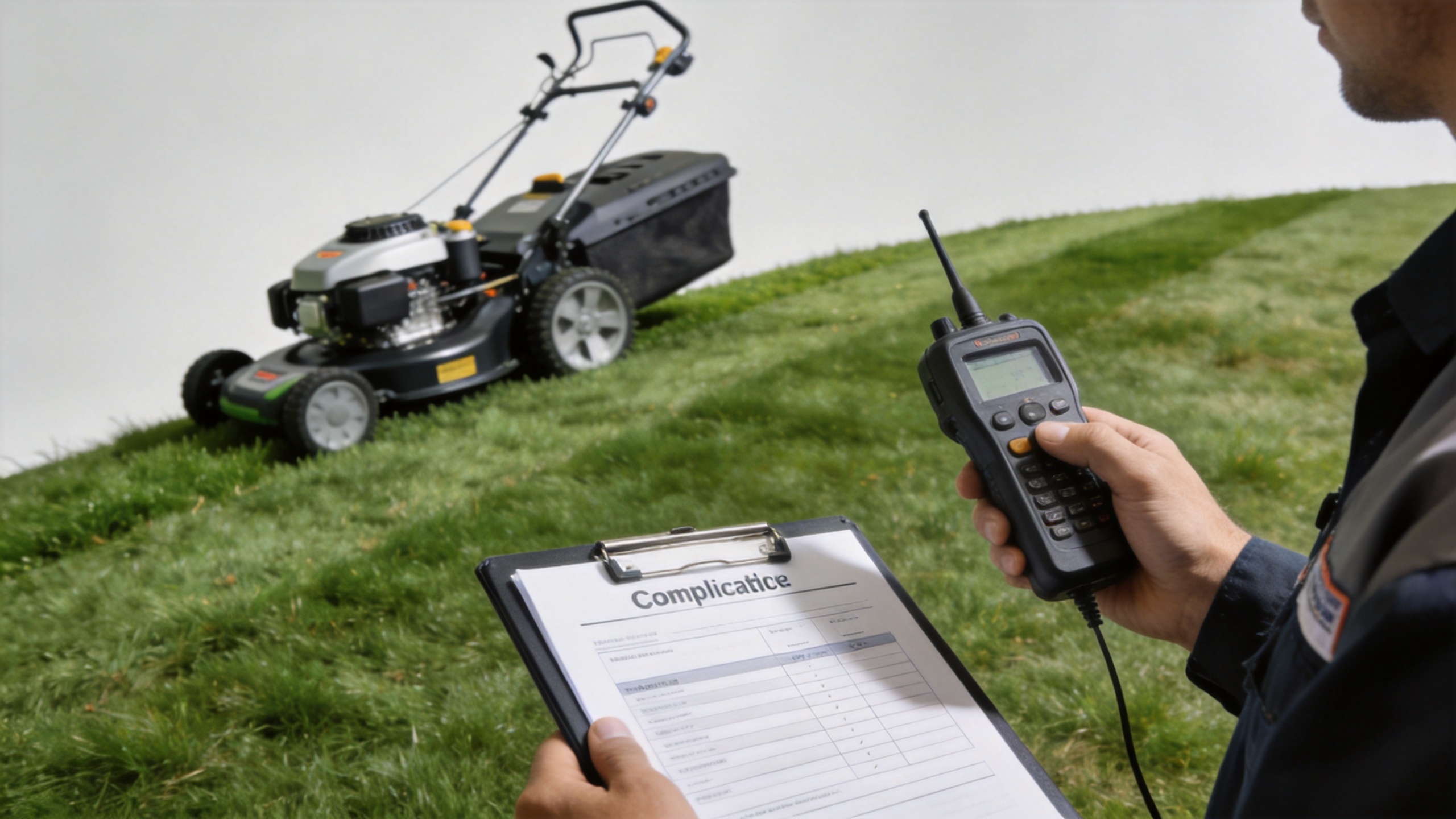
For a lawn mower intended for EU placement, a sensible internal checklist separates what is already confirmed from what still needs review. The goal is not to imply that one document proves every requirement; it is to create a traceable file for the particular product.
- Identify the applicable legal and technical requirements. Confirm the product category, intended use, and current rules that apply when the lawn mower is placed on the market.
- Complete a risk assessment. Link identified hazards to design controls, protective measures, warnings, and instructions. Do not rely on a generic risk assessment from a different lawn mower model.
- Collect design and verification records. Keep drawings, component information, test evidence, calculations where relevant, and revision control that explain how the lawn mower matches its evaluated configuration.
- Prepare clear instructions and markings. The information supplied with a lawn mower should reflect its actual operation, maintenance needs, residual risks, and language obligations for the destination market.
- Review the declaration and CE-marking decision. Issue an EU declaration of conformity and affix CE marking only after the responsible manufacturer has completed the applicable assessment and documentation work.
Regulation (EU) 2023/1230 identifies technical documentation, conformity assessment, the EU declaration of conformity, and CE marking as connected manufacturer responsibilities. The current machinery framework and timing should be verified against the date of EU placement and the product’s features. A lawn mower supplier should not turn that general rule into a product-specific claim without its own documented review.
Why remote and complex operating functions need extra attention
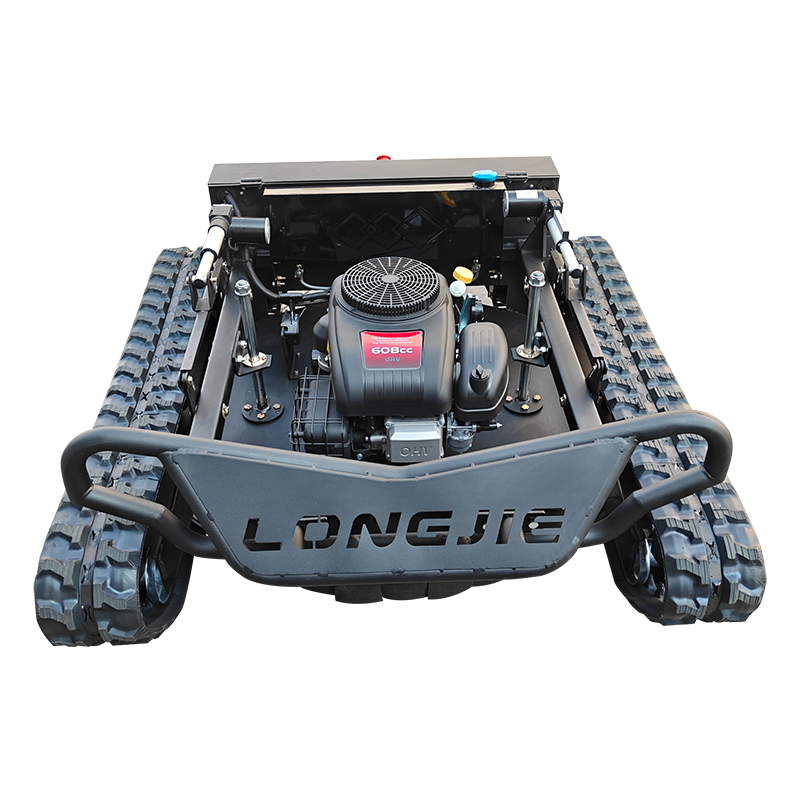
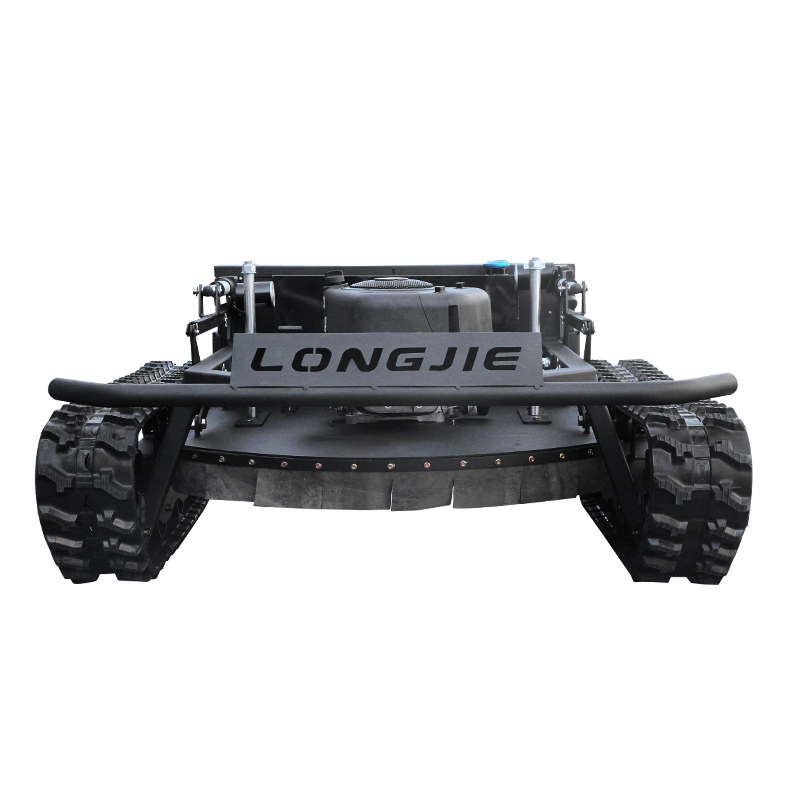
For a remote-control lawn mower, the operator may stand away from the cutting area. That can change how the team assesses visibility, stopping behavior, loss of signal, access to emergency controls, work-zone separation, and instructions for slopes or uneven ground. A feature that appears convenient is not automatically safe in every work condition.
Discussing these controls early is useful for both the Euro standard lawn mower project and the buyer’s site plan. Ask how the lawn mower behaves if a control command is interrupted, how people are kept outside the operating area, and which inspection steps precede each shift. Where documents or tests have not been confirmed, state that they must be reviewed rather than assuming performance.
For organizations sourcing from China for European distribution, a transparent exchange of configuration lists, drawings, risk-assessment scope, manuals, and revision history makes the lawn mower evaluation easier to follow. It also reduces the chance that a distributor receives materials for a different configuration than the lawn mower actually shipped.
Use a buyer-ready verification table
| Question to verify | Why it matters for the lawn mower | Evidence to request |
|---|---|---|
| What is the exact model and configuration? | Compliance evidence must match the supplied lawn mower. | Configuration list, photos, revision-controlled specification. |
| Where and how will it operate? | Terrain, vegetation, obstacles, and operator distance affect risk controls. | Site questionnaire and intended-use statement. |
| Which requirements were assessed? | “Euro standard” alone does not show scope or applicability. | Applicable-requirements review and risk-assessment summary. |
| Are instructions and markings ready? | Safe operation depends on usable, market-appropriate product information. | Draft manual, warning labels, maintenance instructions. |
| Who signs the conformity documents? | The responsible economic operator must be clear before placement. | Declaration workflow and responsible-party record. |
A practical route from product discussion to EU readiness
First, freeze the lawn mower configuration that will be assessed. Next, map its intended use and hazards to the applicable requirements. Then close gaps in design evidence, instructions, labels, and declaration workflow. Finally, keep the file under change control so a later change to the lawn mower does not quietly invalidate the evidence trail.
This approach is also commercially useful. Rather than promising that every lawn mower is ready for every European application, a supplier can invite buyers to share site conditions and required documentation. Shandong Maide En Intelligent Technology can use that task-based discussion to organize lawn mower configuration questions and request the information needed for a feasibility review. Specific conformity, certification, performance, delivery, or customization claims should remain subject to verified product documentation and mutual confirmation.
Conclusion: access follows verification
A Euro standard lawn mower gains a credible route to the EU market when the product, its risks, its technical documentation, and its declaration process tell the same story. Begin with the operating task, verify the exact lawn mower configuration, and keep compliance statements tied to evidence. That makes procurement discussions clearer and gives both manufacturers and distributors a more reliable basis for moving toward EU market placement.