EN
EN
What Is The Battery Working Time Of Remote lawn mower robot
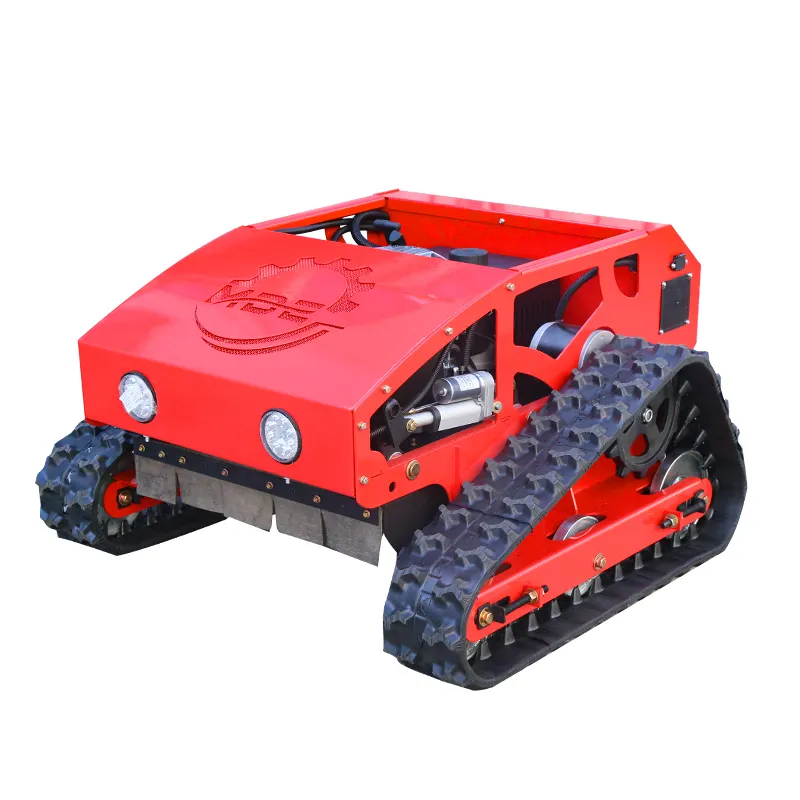
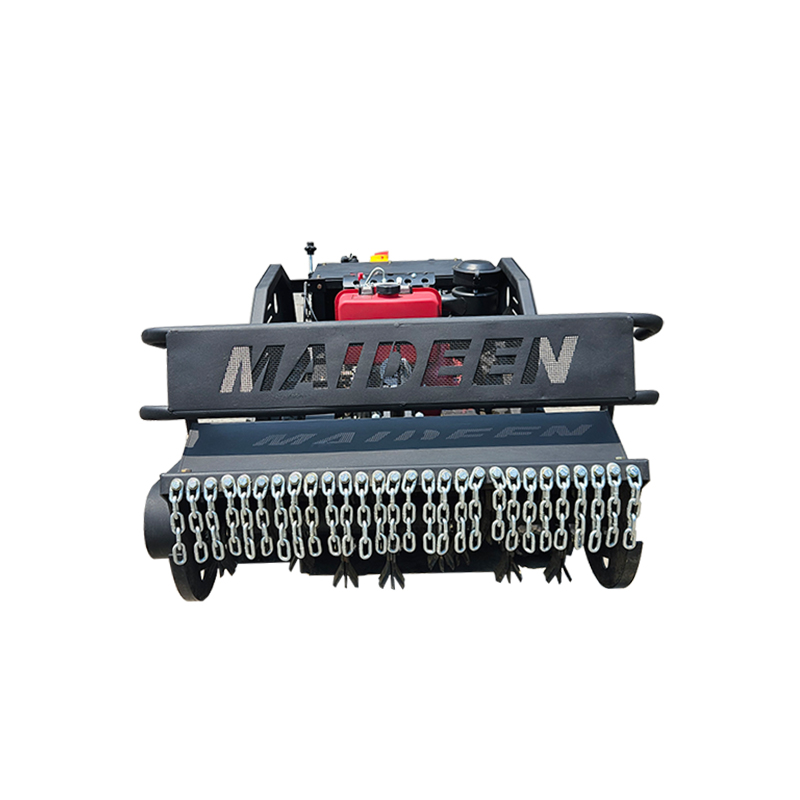
A fixed answer is rarely useful when someone asks how long a robot lawnmower can work. Battery working time depends on the battery pack, the cutting load, the route, the surface, and the way the machine returns to charge. For a remote lawn mower robot used on a commercial property, orchard edge, slope, or managed green space, the better question is: how much productive cutting can this robot lawnmower complete between planned charging opportunities?
That distinction matters. A published runtime may be measured in a controlled setting, while real work includes turning, travelling, climbing, handling thicker grass, and pausing for safety checks. If you are comparing a robot lawnmower for a site, ask the supplier for a tested working-time range under conditions similar to your own instead of relying on one headline number.
Battery working time is not the same as daily coverage
A robot lawnmower may run until it reaches a charging threshold, but its useful daily output also depends on charge time, route efficiency, and how often it needs to stop or reposition. A remote lawn mower robot with automatic charging can work through repeated run-and-charge cycles; a remotely operated machine may instead follow the crew’s shift and charging plan. Neither arrangement makes battery capacity irrelevant, but both make “minutes per charge” only one planning input.
Capacity is commonly expressed in amp-hours or watt-hours. It describes energy storage, not a fixed mowing-time promise. The same battery can support different working periods when the cutting motor, drive motors, control system, and terrain demand different amounts of power. That is why a robot lawnmower should be evaluated with its complete duty cycle in mind.
What changes a robot lawnmower’s real working time?
Grass condition and cutting demand
Dense, wet, tall, or tangled vegetation requires more cutting effort than short, dry, regularly maintained turf. A robot lawnmower asked to recover an overgrown area can draw more energy than one maintaining a lawn with frequent light cuts. Before specifying a machine, document typical grass height, seasonal growth peaks, moisture, and any brush or uneven vegetation that the site expects the machine to handle.
Slope, ground texture, and route design
Slopes, soft ground, ruts, frequent turns, narrow passages, and repeated obstacle avoidance add drive-system demand. For a robot lawnmower, route design can therefore affect usable time just as much as battery size. A site map should identify elevation changes, boundary edges, drainage features, and safe turnaround areas. That information helps a supplier assess whether one continuous route is practical or whether the task should be divided into zones.
Temperature and battery condition
Battery performance can change with ambient temperature, and acceptable operating limits are model specific. One support source, for example, lists a 5°C to 40°C battery-use range for a particular robotic mower; this should not be treated as a universal specification. Confirm the operating, charging, storage, and transport limits for the exact robot lawnmower you are considering. Age, charging history, connector condition, and storage practice can also influence the time available in the field.
Remote-control and accessory load
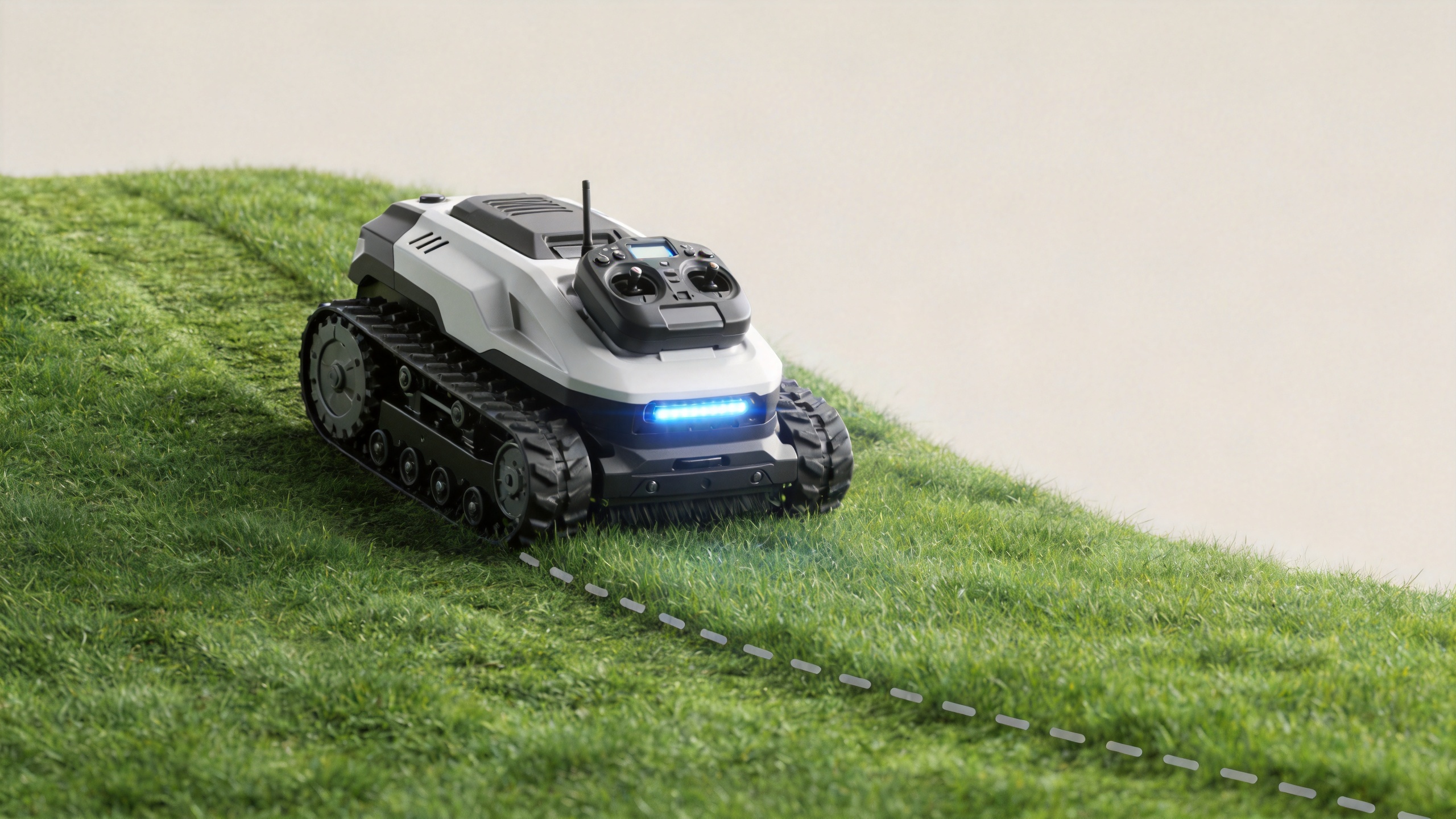
A remote lawn mower robot uses energy for more than cutting. Drive control, communications, safety systems, cameras or navigation equipment, and any fitted accessories can contribute to the electrical load. Ask which functions were enabled during the claimed runtime test. This is especially useful when comparing a basic robot lawnmower configuration with a model fitted for more complex terrain or remote operation.
How to estimate a practical work window
Start with the manufacturer’s stated runtime range for the exact configuration. Then build a conservative planning range rather than choosing the most favorable figure. For a robot lawnmower, account for the most demanding normal condition: the steeper section, the densest seasonal grass, or the longest route back to charging. Include a buffer for inspections and safe recovery instead of scheduling every minute of published operation.
- Define the area, grass condition, slope, obstacles, and required cut frequency.
- Request the battery capacity, charger information, expected runtime range, and test conditions for the selected robot lawnmower.
- Separate active cutting time from travel, turning, charging, and operator checks.
- Run a supervised site trial and record the actual work window across representative conditions.
- Use that record to set a daily route plan and charging schedule.
This approach is more reliable than converting battery capacity directly into hectares or hours. A robot lawnmower that suits a flat maintained lawn may need a different battery or deployment plan on a sloped, irregular, or fast-growing site.
Questions to ask before you buy
- What battery chemistry, nominal energy, and charging method does this robot lawnmower use?
- What runtime range has been measured, and under what grass, slope, temperature, and control conditions?
- How long does a typical recharge take, and are batteries removable or fixed?
- What happens when charge becomes low: automatic return, warning, reduced performance, or manual recovery?
- Which maintenance and storage practices help preserve the battery?
- Can the supplier provide a trial plan for the actual site and remote lawn mower robot workload?
For B2B buyers, these questions also make internal approval easier. Procurement can compare lifecycle needs, while operations can verify that the robot lawnmower fits the route and safety process. Shandong Maide En Intelligent Technology Co., Ltd. can use site conditions and task requirements as the starting point for a remote mowing equipment discussion; final runtime and configuration claims should be confirmed against the selected model’s documentation.
A better way to communicate battery expectations
Do not promise that every robot lawnmower will work for a fixed number of hours. State the model-specific tested range, describe the conditions behind it, and explain which site factors can change the result. For a remote lawn mower robot, this is a clearer and safer message than treating battery time as an isolated specification.
In short, the right robot lawnmower battery plan combines verified product data with an honest assessment of grass, terrain, route, temperature, and charging access. A representative site test is the most useful final check before setting service expectations or a daily work schedule.