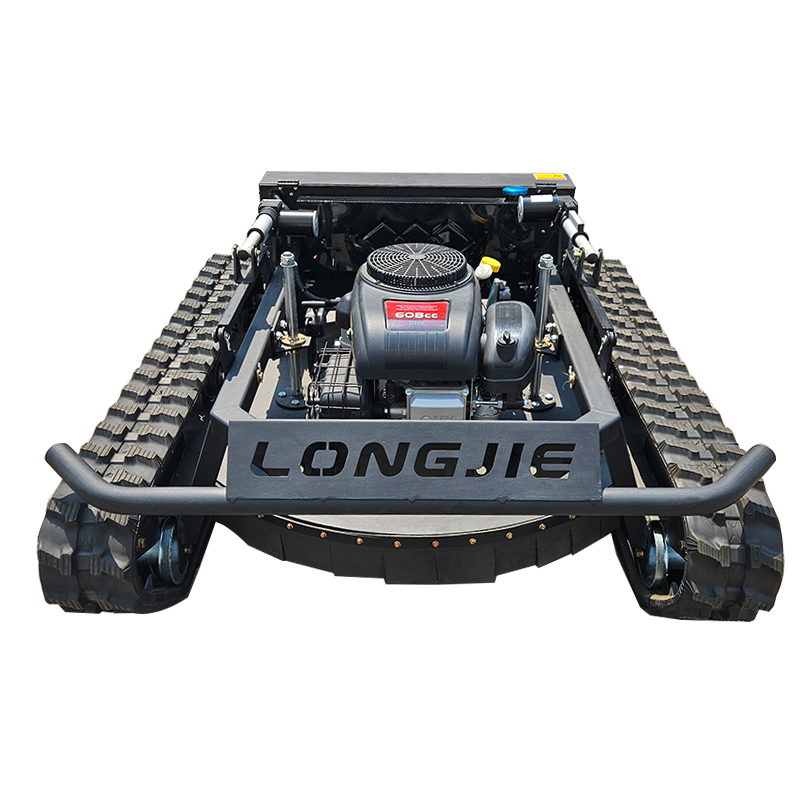
EN
What Manual Intervention Does Full automatic lawn mower Need
A lawn mower can automate parts of grass-cutting work, but automation does not remove the operator from the job. A full automatic lawn mower may follow a programmed route, manage a drive system, or stop when a condition is detected. It still needs a person to prepare the site, confirm safe conditions, respond to interruptions, and keep the machine maintained. For property managers and equipment buyers, the useful question is not whether a lawn mower is automatic; it is which tasks remain human decisions.
The phrase full automatic lawn mower can describe different designs. Functions vary by model, terrain, vegetation, sensor configuration, and the instructions in the applicable operator manual. Treat any automated function as assistance within defined conditions, not as a replacement for supervision or site responsibility.
Why a lawn mower still needs an operator
An automated lawn mower cannot inspect a work area with the same contextual judgment as a trained person. It may detect some obstacles, yet it cannot confirm every hidden wire, hole, loose stone, pedestrian route, animal, or change in ground condition. It also cannot decide whether today’s wet grass, slope, visibility, or nearby activity makes mowing unsuitable. That is why the person responsible for the lawn mower remains accountable for the working plan.
General mower safety guidance consistently emphasizes a pre-use inspection. OSHA search guidance recommends a standard equipment checklist, while landscape safety guidance highlights loose hardware, damaged components, tire condition, and missing guards. Those points do not substitute for a specific manual; they show why a lawn mower should be checked before automated work begins.
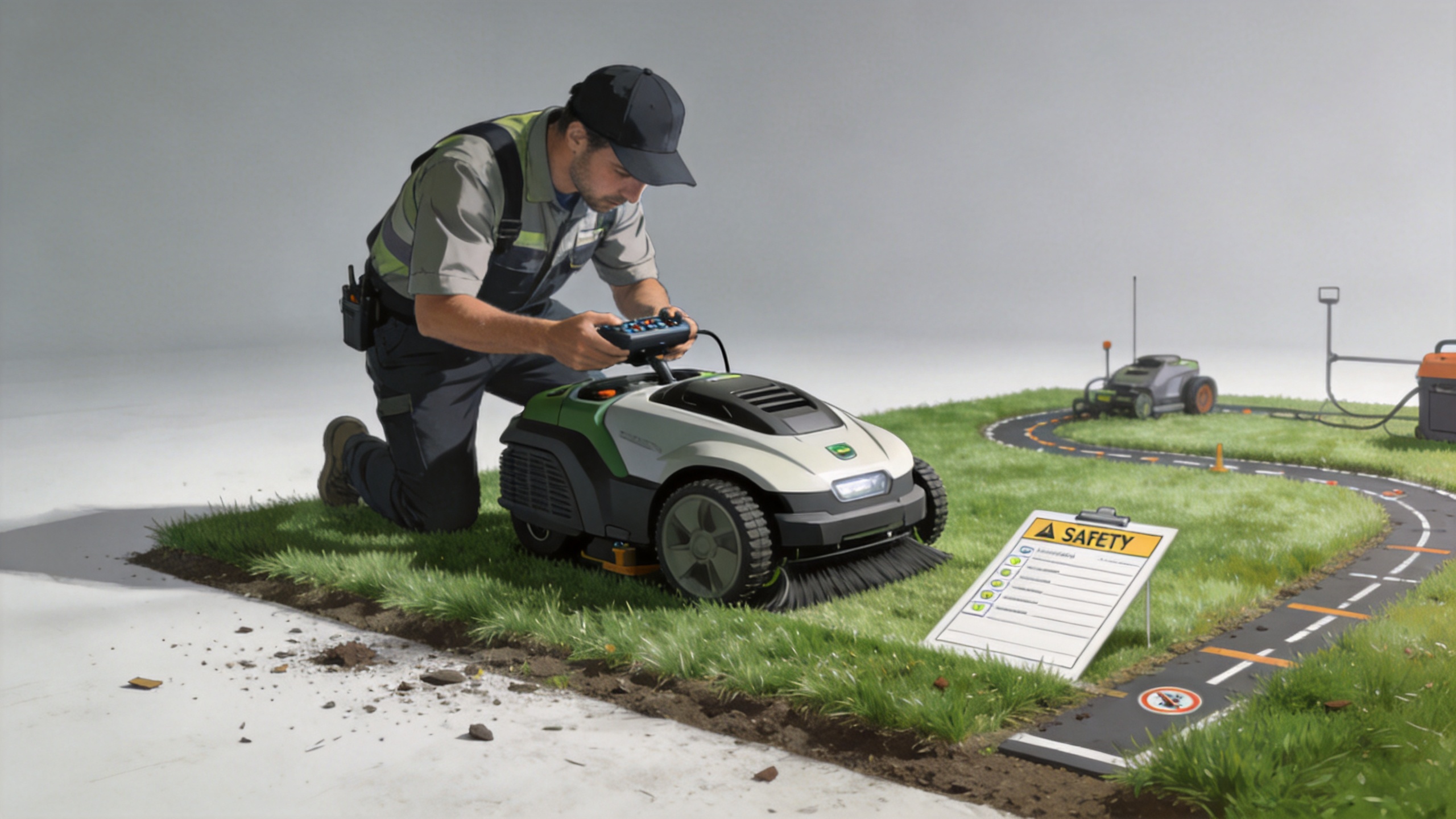
Manual intervention before a full automatic lawn mower starts
Prepare and define the mowing area
First, walk the intended route. Remove branches, wire, stones, discarded material, and other debris that could be thrown, wrapped around a cutting system, or hidden in grass. Mark or exclude hazards such as drainage edges, soft shoulders, steep transitions, ditches, and low-clearance areas. A lawn mower can only operate within the boundaries and conditions that have been deliberately prepared.
For a full automatic lawn mower, this preparation also includes checking access points and return paths. Gates, narrow passages, charging areas, storage locations, and work-zone separation need human confirmation. If people, vehicles, pets, or livestock can enter the area, the operator should choose a control method that keeps the lawn mower from becoming an unattended hazard.
Inspect the machine and safety systems
Before each work period, inspect the lawn mower according to its manual. Look for loose fasteners, damaged guards, leaks, unusual tire or track condition, accumulated grass, and damaged cables or connectors. Confirm that emergency-stop controls, warning devices, protective shields, and any remote-control functions are available and understood. Do not bypass an interlock or protective device simply to keep a lawn mower working.
Blade condition also needs human attention. Dull, bent, damaged, or obstructed cutting components can affect cut quality and may create unsafe vibration or imbalance. Shut the machine down using the prescribed procedure before inspecting or clearing any cutting-area obstruction. Do not assume an automatic stop feature makes a lawn mower safe to touch.
Manual intervention while the lawn mower is operating
Automation changes supervision; it does not eliminate it. The operator should remain able to observe the work area, stop the equipment promptly, and reassess conditions when the route changes. In a commercial or large-property setting, that may mean assigning a trained person to maintain line-of-sight where required by the manual and local rules.
Several common events require a human decision:
- Unexpected obstacles: The equipment may stop or detect an obstruction, but a person must decide whether the object can be removed, the route should change, or work should end.
- Changing ground conditions: Rain, loose soil, ruts, tall dense grass, and reduced traction may make the planned operation inappropriate.
- Boundary and traffic changes: Open gates, workers entering the area, parked vehicles, or public access require the machine to be paused or repositioned.
- Fault messages: An alert is information, not a repair. The operator must follow the manual’s diagnostic and shutdown procedure.
A full automatic lawn mower should therefore have a clear escalation plan: who receives an alert, who can stop the machine, where it is parked safely, and when a qualified service person must be involved. This planning is especially important where the lawn mower operates near slopes, trees, drainage features, or changing vegetation.
What happens when automated mowing pauses or fails
When a lawn mower pauses, do not immediately restart it. First, make the area safe and determine why the interruption occurred. Check for an obstacle, a route issue, a sensor warning, low energy, a cutting obstruction, or an environmental change. If the cause is not obvious, refer to the model-specific manual or service support rather than repeatedly overriding the condition on the machine.
Manual recovery can include moving the lawn mower to a safe location, clearing debris only after shutdown, re-establishing a route, or postponing work. A recurring fault is useful operating information: it may indicate that the task, terrain, maintenance interval, or configuration needs review. A safer response is to review the task and operating conditions, rather than simply demand more automation from the machine.
Maintenance is the continuing human part of lawn mower automation
A full automatic lawn mower still depends on routine cleaning, inspection, storage, and scheduled service. Grass buildup can hide wear. Mud and debris can affect moving parts. Blades, belts, batteries, charging equipment, tires or tracks, and guards all require checks at intervals specified by the manufacturer. Keep a simple log of operating hours, inspections, alerts, cleaning, and replacement work so that the machine’s condition is not guessed from memory.
For buyers, request a maintenance schedule, parts information, safety instructions, and a demonstration that reflects the actual site. Shandong Maide En can support a discussion around site conditions and operating requirements for remote-control lawn mower applications, but the final equipment fit, safe operating boundary, and service plan should be confirmed against the selected model’s documentation.
A practical human-in-the-loop checklist
- Inspect the lawn mower and confirm guards, controls, and stopping functions are ready.
- Walk the site and remove debris or isolate hazards before mowing.
- Set an appropriate route, boundary, and supervision arrangement for the actual terrain.
- Monitor the lawn mower and stop it when people, obstacles, weather, or ground conditions change.
- Investigate alerts safely rather than repeatedly restarting the machine.
- Clean, inspect, store, and document the lawn mower after work.
Conclusion
The right expectation is not “no manual work.” It is targeted manual intervention where human judgment matters most. A well-prepared site, a documented pre-use check, active supervision, safe fault recovery, and regular maintenance help a lawn mower deliver more consistent work without overstating what automation can do. For every full automatic lawn mower, the operator remains part of the safety and reliability system.