EN
EN
What Makes Durable diesel lawn mower Suitable For Rough Farm Work
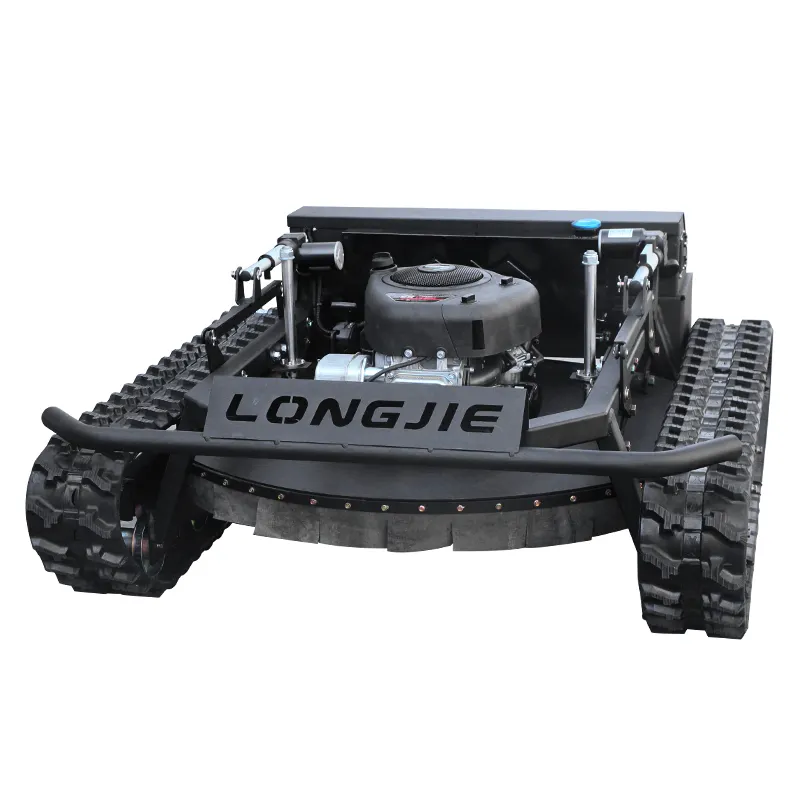
For rough farm work, the question is not simply whether a machine has a diesel engine. Diesel lawn mowers become a sensible option when their construction, operating plan, and service support match the field. A pasture edge, orchard row, drainage boundary, or neglected access lane can combine tall growth, uneven ground, hidden debris, and long operating periods. Those conditions place demands on the mower deck, driveline, traction, operator controls, and inspection routine.
From a farm-equipment planning viewpoint, the useful way to assess diesel lawn mowers is to begin with the job: ground condition, vegetation density, route, frequency, and who will operate the unit. That avoids a common mistake—treating engine size as a complete answer. A durable diesel lawn mower should be evaluated as a work system, not as an isolated specification.
Why rough farm work is harder than ordinary lawn mowing
Rough ground adds load changes that are not obvious on a smooth lawn. Wheels may cross ruts, roots, compacted soil, loose stones, and damp patches in the same pass. Tall grass and mixed weeds can change the cutting load quickly. For that reason, diesel lawn mowers intended for demanding work need a configuration that can be verified for the actual vegetation and terrain rather than assumed from a brochure image.
Commercial search results commonly emphasize diesel engines, hydrostatic drivetrains, broad decks, and durable construction. Those are useful starting signals, but they are not a universal farm-work guarantee. Ask what is protected underneath the machine, how the deck is supported, how drive components are serviced, and what the operator manual permits. A larger machine is not automatically a better machine if gates, trees, ditches, or soft ground constrain the route.
1. A durable frame and protected working parts matter
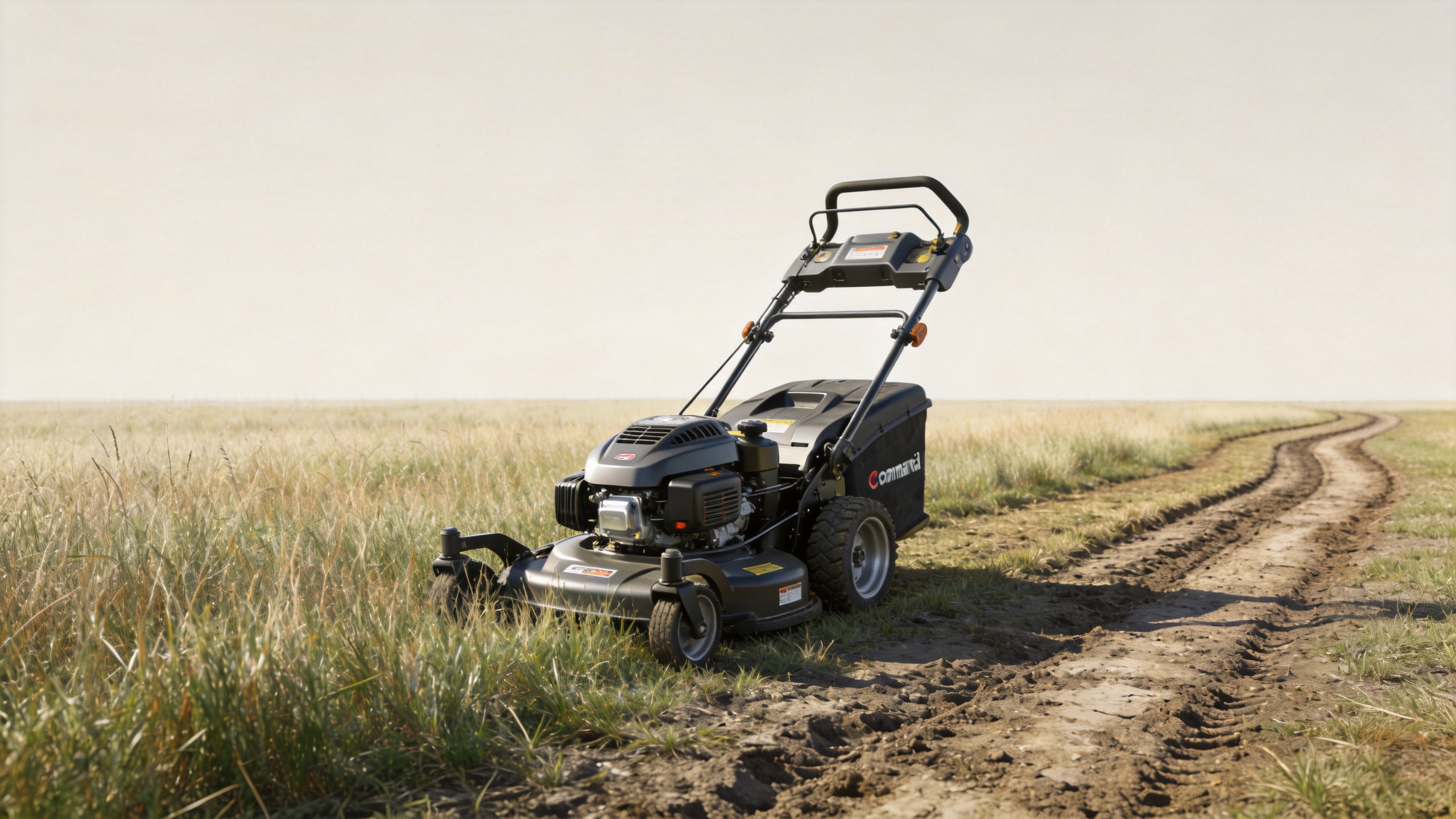
A durable diesel lawn mower for uneven land needs more than a strong engine. Look for a frame and deck arrangement designed to tolerate repeated vibration, along with guarded belts, hoses, and drive components where debris exposure is likely. Deck hangers, spindle mounts, wheel assemblies, and discharge areas deserve close inspection because rough material and repeated impacts can shorten their service life.
When comparing diesel lawn mowers, request the equipment documentation and inspect the practical maintenance points: grease locations, belt access, blade-change procedure, filters, and the availability of wear parts. A machine that is difficult to inspect is harder to keep reliable through a long season. Before purchase, confirm which parts are routine-service items and what support information is available for your market.
2. Torque is useful only when traction and cutting capacity keep up
Diesel power can suit sustained, heavy mowing because the engine is generally selected for work-oriented torque and operating duration. Still, the engine cannot solve poor traction, an overloaded deck, dull blades, or an unsuitable travel speed. Effective diesel lawn mowers keep the cut consistent by matching engine output with deck capacity, drive control, and operator judgment.
On a first site visit, separate the area into short grass, dense growth, wet spots, slopes, and obstacle zones. This turns a vague requirement into a configuration discussion. It also helps prevent an operator from trying to clear unknown, dense vegetation at the same pace used on maintained turf. A durable diesel lawn mower may handle demanding work well, but it should still be used within the manufacturer’s instructions for vegetation, attachments, speed, and terrain.
3. Stability is a farm-work requirement, not an optional feature
Terrain suitability should be judged before any comparison of convenience features. OSHA guidance on riding-mower rollovers stresses following the manufacturer’s slope limits; where no specific limit is available, its guidance advises avoiding operation above 15 degrees. That is a safety reference, not a blanket rating for every mower. The applicable operator manual and site rules remain the controlling sources for diesel lawn mowers.
Ditches, holes, rocks, dips, rises, ponds, and soft shoulders can alter the operating angle or traction without warning. Walk the intended route, flag hazards, and establish exclusion zones before mowing. Do not assume that remote control, a heavy engine, or a wide stance eliminates rollover risk. If a mower is equipped with rollover protection or a restraint system, use it only as instructed by the manufacturer and train operators on the procedure.
On sloped or uneven areas, deliberate inputs matter. Avoid abrupt starts, stops, turns, or speed changes, and stop work when grip, visibility, or ground firmness becomes uncertain. In other words, diesel lawn mowers are suitable for rough farm work only when their permitted operating envelope includes the job and the team follows it.
4. A work-ready mower needs an inspection and maintenance rhythm
The practical durability of diesel lawn mowers is often decided between mowing sessions. A brief pre-start routine can catch loose hardware, damaged guards, oil or hydraulic leaks, packed debris, tire damage, and blade issues before they turn into downtime. During continuous work, pause to recheck the deck area, operating sound, and changing surface conditions.
Build a simple record that includes operating hours, field conditions, inspections, blade service, lubrication, filters, and any recurring obstruction. This is especially useful when several operators share a durable diesel lawn mower. It creates a factual basis for service discussions and helps distinguish a one-off incident from a configuration or route-planning problem.
5. Use a verification checklist before selecting diesel lawn mowers
- Map slopes, drainage edges, holes, obstacles, access width, and turnaround areas.
- Describe the typical grass height, weed density, moisture, and frequency of cutting.
- Check the manufacturer’s operating limits, safety instructions, and approved attachments.
- Review frame, deck, driveline, tire, guard, and maintenance-access details for the expected conditions.
- Confirm training, parts availability, service communication, and the operator’s inspection process.
This checklist makes discussions about diesel lawn mowers more productive because it connects the equipment to the actual task. Shandong Maide En Intelligent Technology Co., Ltd. can use this condition-based approach when discussing remote-control mowing equipment and agricultural machinery needs; final capability, configuration, and suitability should be confirmed against the specific product documentation and site conditions.
Conclusion: suitability comes from fit, not from diesel alone
A durable diesel lawn mower can be a strong candidate for recurring work on demanding farm grounds when the build, driveline, maintenance plan, and safety limits align with the field. Start with terrain and vegetation, then verify construction, operating boundaries, service access, and operator preparation. That is how buyers can determine whether diesel lawn mowers are genuinely suitable for their rough farm work rather than merely powerful on paper.