EN
EN
What Working Environment Can an Industrial Robot Mower Adapt To?
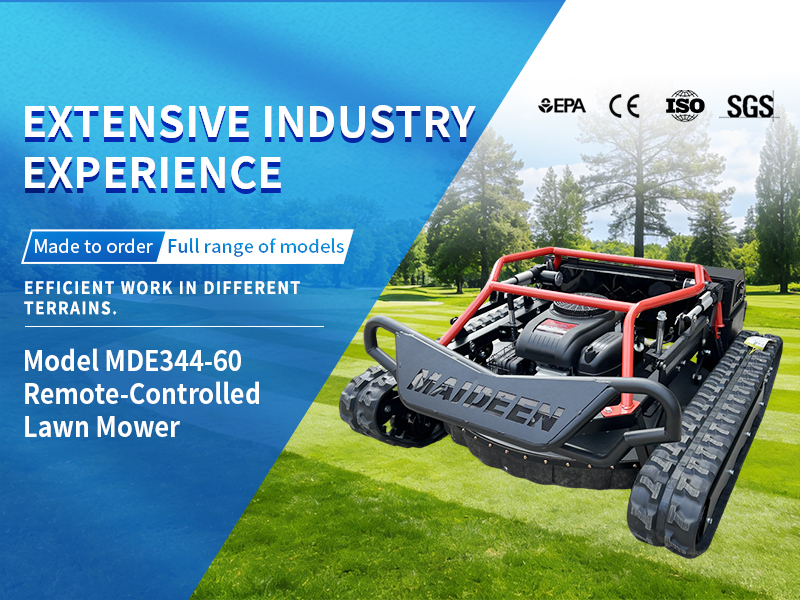
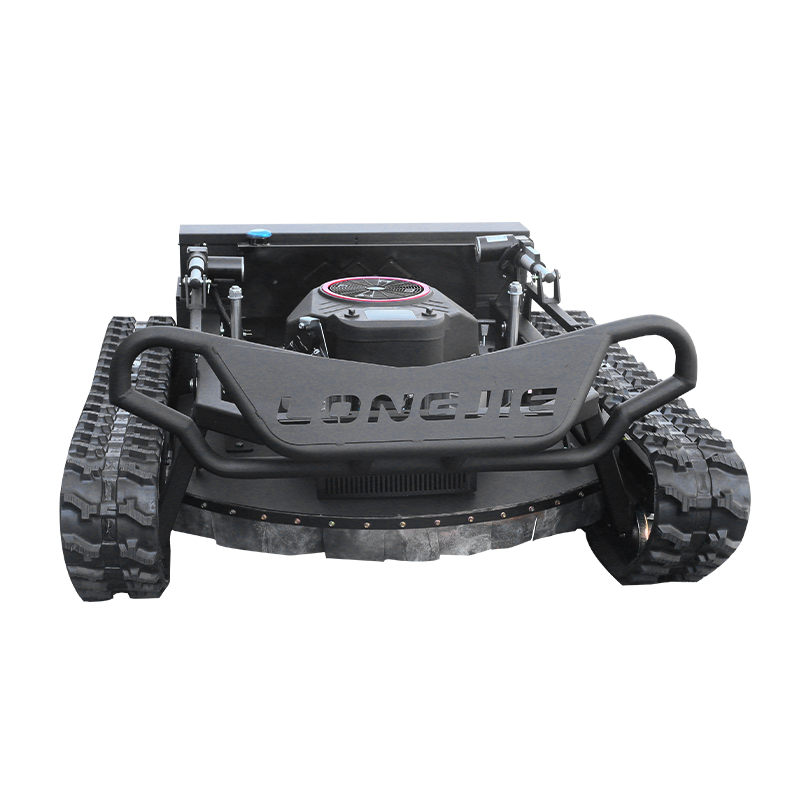
An industrial robot lawnmower is not simply a smaller mower with remote controls. It is a work tool whose suitability depends on the ground, vegetation, access route, operating routine, and safety plan. A site may look manageable from a distance, yet a wet turn, hidden rut, loose stones, or poor line of sight can change the decision. For facilities teams, contractors, and land managers, the useful question is not “Can a robot lawnmower cut here?” but “Under what documented conditions can it work here consistently and safely?”
As a technical explainer for remote mowing equipment, I recommend starting with the worksite rather than a feature list. An industrial robot mower can be a practical option for repeated vegetation control on grounds that are difficult, time-consuming, or uncomfortable to maintain with walk-behind or ride-on equipment. It still needs a defined operating envelope. The manufacturer’s instructions, a site-specific risk assessment, and operator training remain the final authority.
Start with terrain, not the machine brochure
Terrain is the first filter for any robot lawnmower. Map the working area into flat zones, gradual transitions, side slopes, banks, ditches, soft ground, and areas with abrupt changes in grade. It is tempting to treat slope as the only terrain measure. More accurately, surface grip, cross-slope travel, turning space, drainage, and the consequences of a loss of traction all matter.
A purpose-built industrial robot mower may be considered for maintained slopes, uneven verges, embankments, orchard lanes, and open utility land when the machine’s specified limits match the measured site. Do not substitute a general claim about “steep slopes” for the manual’s actual limits. OSHA rollover guidance for riding mowers also illustrates the broader principle: when operating limits are unclear, terrain must be assessed conservatively rather than assumed safe. Wet grass, loose soil, leaves, and gravel can reduce traction even where the gradient itself seems acceptable.
- Generally favorable: stable soil, predictable grades, visible edges, adequate turning room, and a recovery route if work stops.
- Needs closer review: ruts, crowned ground, drainage channels, irregular mounds, narrow shoulders, or frequent transitions between surfaces.
- Usually unsuitable until controlled: unstable banks, concealed drop-offs, waterlogged ground, unprotected excavations, or locations where a stopped machine cannot be recovered safely.
Match vegetation to the cutting task
A robot lawnmower is most appropriate when the vegetation task is defined. Regular turf maintenance, grass on managed solar sites, orchard-floor upkeep, roadside shoulders, and landscaped grounds may each require a different cutting approach. The key variables are grass height, stem thickness, density, moisture, regrowth speed, and whether woody debris or litter is likely to be present.
An industrial robot mower should not be selected on area alone. Tall, dense, wet, or mixed vegetation can alter cutting load, visibility, traction, and the frequency of inspection. Before routine deployment, walk the zone and record stones, wire, discarded materials, irrigation parts, stumps, exposed roots, and other objects that may affect a robot lawnmower. This turns a vague mowing requirement into a manageable preparation, operation, and review process.
Check access, boundaries, and obstacle management
The working environment includes the route to the work, not just the grass. An industrial robot lawnmower needs a practical loading point, safe travel path, clear entry and exit, and enough room for turning or repositioning. Gates, bridges, culverts, curbs, narrow paths, and public crossings should be evaluated before a recurring schedule is approved.
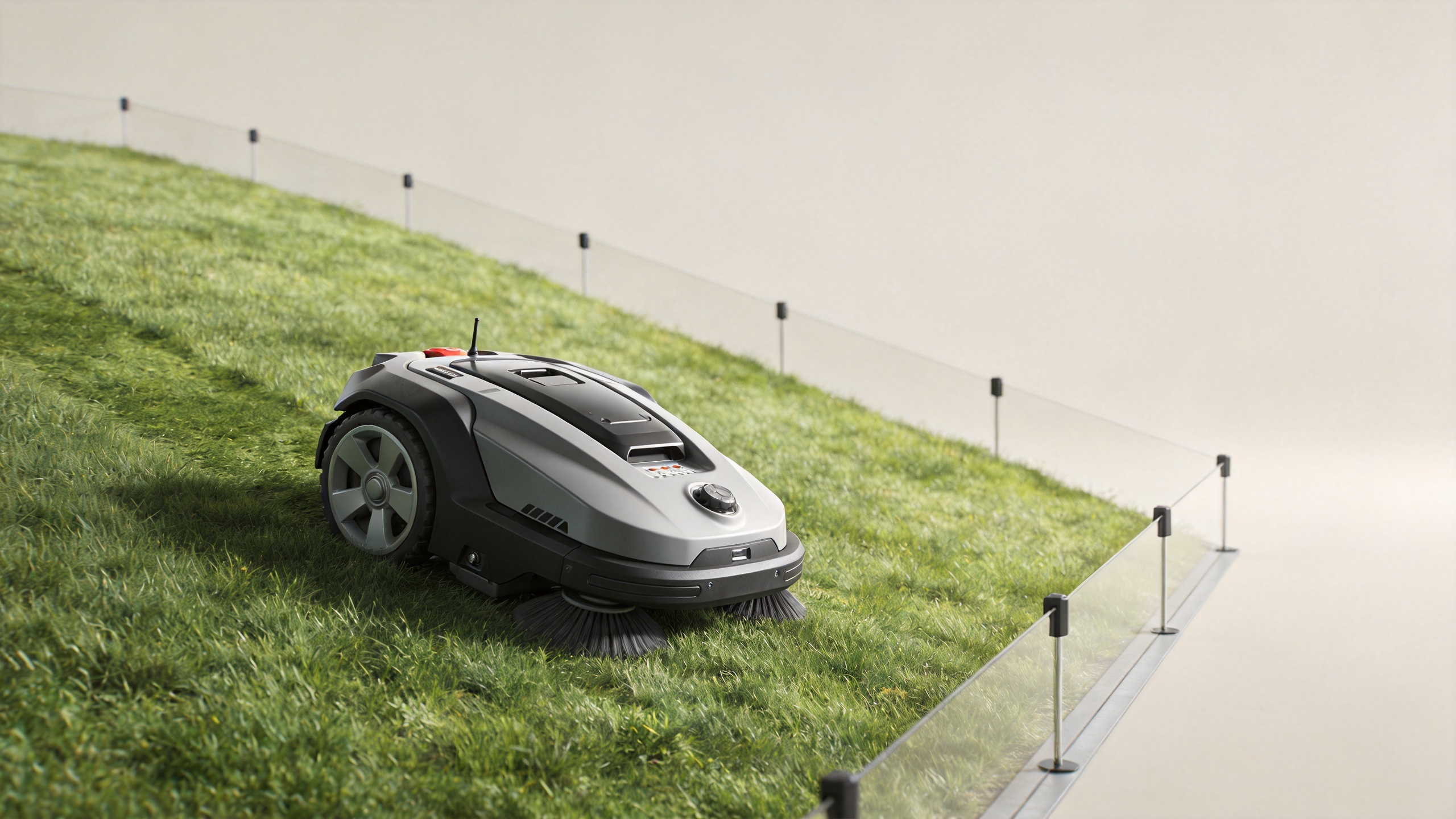
Boundary clarity is equally important. A robot lawnmower works more predictably where mowing limits, no-go zones, hazards, and pedestrian interfaces are clear. Around trees, poles, fence lines, solar supports, drainage structures, and parked equipment, the site plan should specify whether the machine can pass, needs a buffer, or should be replaced by another method. If an area needs frequent manual intervention to keep it safe, it may not be the right zone for unattended or remote work.
Weather and ground condition set the daily go/no-go decision
Even a well-matched industrial robot mower does not have the same operating window every day. Rain, dew, frost, high wind, dust, lightning risk, and saturated soil can change the safe plan. The site team should define weather stop rules from the manufacturer’s manual and local safety procedures. Avoid treating any water-resistance rating as permission to work in every wet condition.
For a robot lawnmower, the daily check should cover ground firmness, wheel or track contact, visibility, debris, and the condition of the intended route. On slopes, a small change in moisture can have a larger effect than expected. If the field condition differs from the planned condition, pause and reassess rather than trying to recover productivity by pushing through.
Remote operation still requires people and procedures
An industrial robot lawnmower is especially relevant where it can move the operator away from a difficult mowing position, but it does not remove responsibility. The operator needs a safe observation position, a reliable view of the machine and hazards, a communication plan where teams work nearby, and a clear emergency-stop procedure. Remote range, signal interruptions, battery or fuel planning, and recovery arrangements belong in the work plan.
Start with a short pilot area. Observe how the robot lawnmower behaves at turns, surface changes, vegetation density changes, and boundaries. Then document the acceptable operating conditions and stop conditions. This is more useful than relying on a broad “all-terrain” label.
Where an industrial robot mower is commonly worth evaluating
A robot lawnmower may merit evaluation for repeated maintenance on managed slopes, utility corridors, orchard or farm lanes, solar-farm vegetation zones, roadside land with controlled access, large landscaped sites, and industrial grounds. In each case, the benefits depend on a stable work routine and controllable hazards. The same robot lawnmower may be a poor fit for crowded public areas, constantly changing construction sites, ground with hidden hazards, or locations outside its manufacturer-approved terrain and vegetation limits.
A practical pre-purchase checklist
- Measure grades and identify cross-slopes, transitions, drainage features, and recovery routes.
- Describe the vegetation by height, density, moisture, debris exposure, and cutting frequency.
- Map access points, boundaries, obstacles, public interfaces, and exclusion zones.
- Compare the actual site with the proposed industrial robot mower manual, not just a headline capability.
- Confirm operator training, inspection steps, weather stop rules, emergency stopping, and maintenance support.
- Run a supervised trial and revise the site plan before routine use.
Conclusion
The right environment for a robot lawnmower is not defined by acreage alone. It is a controlled setting with terrain inside the verified operating range, manageable vegetation, clear access and boundaries, appropriate weather conditions, and a trained team. By assessing those conditions first, buyers can decide whether an industrial robot mower fits the task and which site controls are needed before regular operation begins.