EN
EN
How Does Remote Control All Terrain Lawn Mower Handle Mixed Terrain
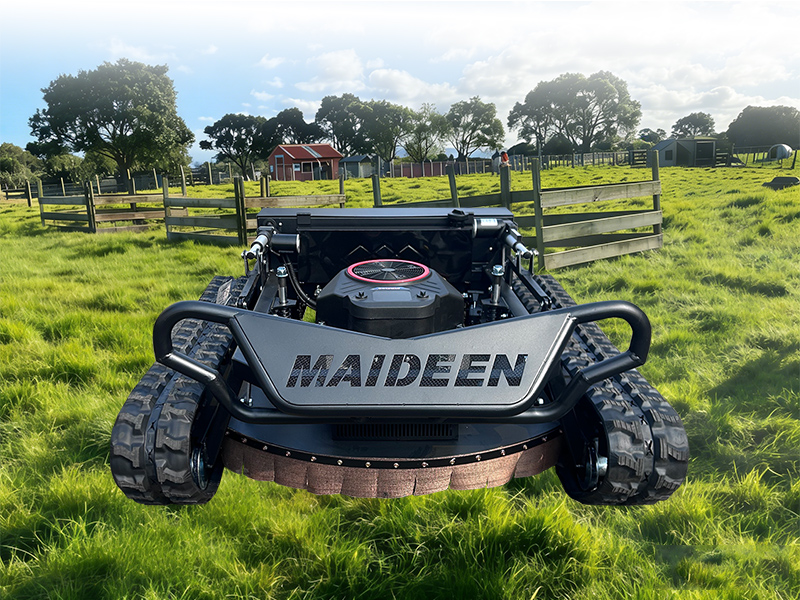
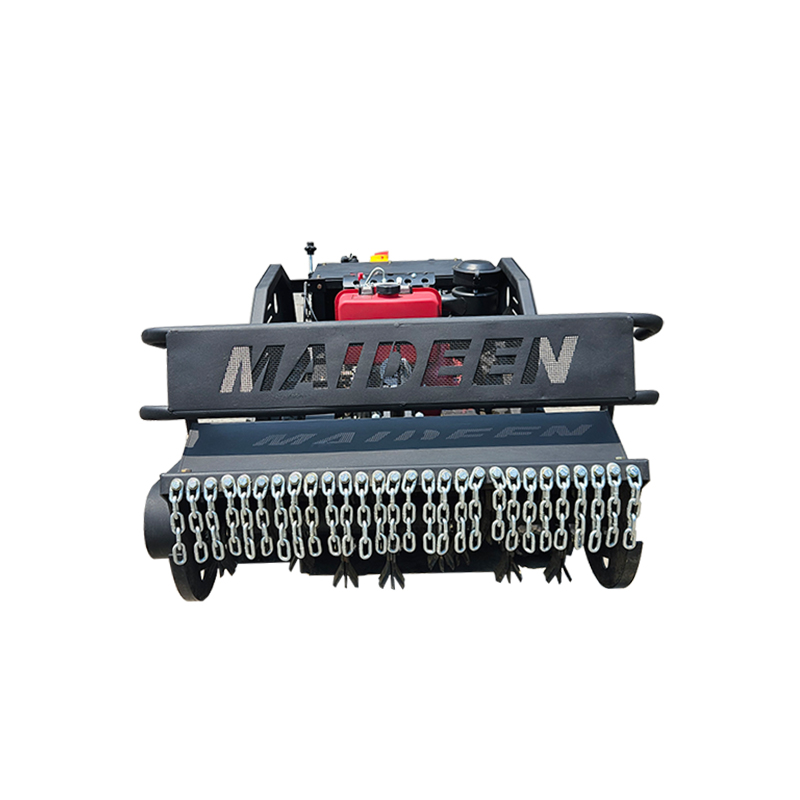
A remote control lawn mower is often considered for work that changes from open grass to uneven ground, rough edges, or mild slopes. The practical question is not whether the machine can move across every surface. It is whether the terrain, vegetation, route, and operating limits work together safely. A remote control all terrain lawn mower can help an operator keep distance from the cutting area, but remote control does not remove the need for site inspection, route planning, or model-specific operating instructions.
From an operator’s viewpoint, mixed terrain should be assessed in three stages: prepare the site, work within confirmed limits, and review changing conditions. That approach is more useful than treating “all terrain” as an unconditional promise. Before selecting or using a remote control lawn mower, compare the site’s surface changes, visibility, obstacles, vegetation, and access route with the manufacturer’s documented limits.
What “Mixed Terrain” Means for a Remote Control Lawn Mower
Mixed terrain is not one condition. A single mowing area may include firm turf, loose soil, ruts, damp patches, tall grass, shallow slopes, tree lines, fence corners, and narrow approach paths. Each transition can change traction, cutting load, turning room, line of sight, and the operator’s ability to stop or reposition the machine.
That is why a remote control lawn mower should be evaluated by task zones rather than by total acreage alone. Divide the site into areas with similar ground conditions. A broad, dry, obstacle-free section may be managed differently from an edge beside a drainage channel or a section with hidden rocks and long grass. The equipment manual and the verified configuration remain the authority for slope, surface, and operating restrictions.
Start With a Terrain Walk-Through
Before starting a remote control all terrain lawn mower, walk the intended route while the cutting system is off. General mower safety guidance recommends checking for obstacles, debris, holes, drop-offs, and objects that could be thrown. For a mixed-terrain job, expand that inspection into a simple route map.
- Surface changes: Mark soft soil, wet ground, ruts, exposed roots, loose stones, and abrupt changes in grade.
- Vegetation: Note where grass height, brush density, or tangled growth changes; these conditions can affect pace and cutting load.
- Boundaries: Identify ditches, water edges, retaining walls, fences, parked vehicles, and pedestrian access points.
- Visibility: Check whether the operator can maintain a clear view through turns, behind shrubs, and across rises in the ground.
- Access and recovery: Confirm how the mower will enter, leave, and be recovered from each work zone if conditions change.
It may seem quicker to start from the largest open area, but the more important decision is often where the terrain becomes uncertain. A remote-control system still depends on informed human supervision. If a route cannot be seen clearly or a hazard cannot be controlled, exclude that section until a safer method is confirmed.
How the Machine Handles Different Ground Conditions
Firm turf and open ground
On consistent, dry ground, a remote control lawn mower can usually be planned around straight passes, safe turning space, and regular overlap. Even here, avoid assuming that a long, clear-looking run is automatically suitable. Check for hidden sprinklers, low branches, cables, or changes in ground level before beginning the pass.
Uneven ground, ruts, and surface transitions
Uneven terrain calls for a slower assessment rather than an automatic increase in power or speed. Look for whether wheels or tracks keep stable contact, whether the cutting deck has adequate clearance, and whether the machine remains controllable as it moves from firm to soft ground. Do not use a remote control lawn mower to test an unknown hole, embankment, or unstable edge. Inspect and mark the hazard first.
For a remote control all terrain lawn mower, the operating plan should include conservative turns near ruts and transitions. Sudden direction changes can be more demanding than straight travel because surface grip and weight transfer may change at the same time.
Slopes and side slopes
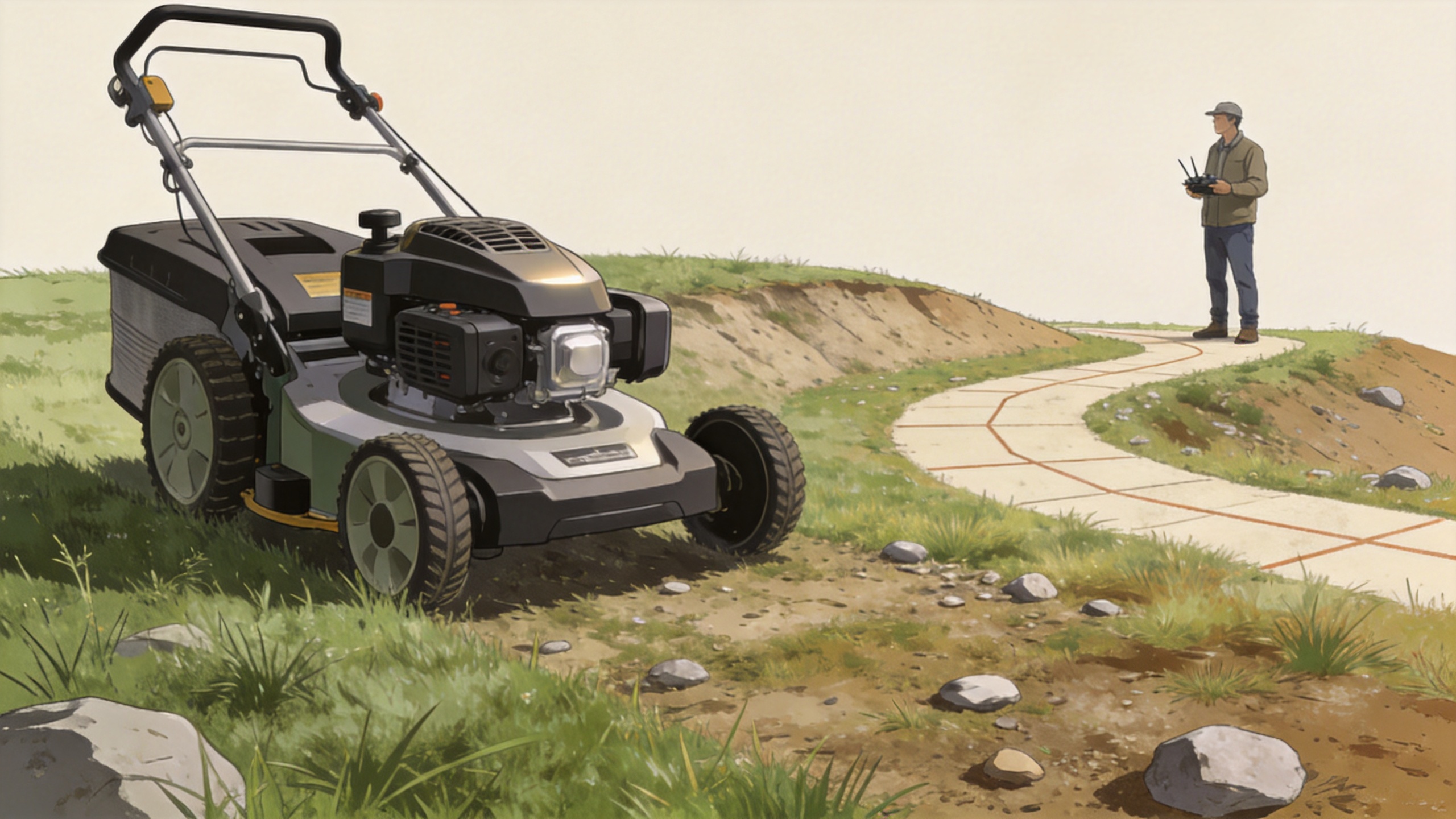
Slope work deserves its own decision point. OSHA guidance for riding mowers states that operators should not exceed manufacturer-specified slope angles and should evaluate terrain and slope conditions when limits are not available. Apply that principle to every remote control lawn mower: use the instructions for the exact model and configuration, not a generic slope number found online.
Surface condition can matter as much as slope angle. Wet grass, loose soil, grass clippings, holes, and obstacles may reduce the usable safety margin. Establish exclusion zones near drop-offs, water, and unstable edges. If the location, visibility, or ground condition makes stopping and recovery uncertain, choose a different method or postpone the task.
Tall grass and changing vegetation
Tall or dense growth can conceal rocks, wire, stumps, and sudden changes in grade. It can also make a site look more uniform than it is. Treat the first pass as an observation pass at an appropriate, controlled pace. If the vegetation prevents a clear understanding of what lies beneath, clear or inspect the zone before relying on the mower.
Remote Control Helps, But It Is Not Unattended Operation
The key benefit of a remote control lawn mower is that the operator may work from a safer position when the situation and equipment instructions permit. That benefit depends on preserving a usable line of sight, a defined emergency-stop response, and control of the work area. It does not mean the machine should be sent beyond observation or operated without a plan for pedestrians, animals, obstacles, and changing weather.
Before each work session, confirm the condition of guards, controls, cutting components, tires or tracks where applicable, and visible fasteners according to the manufacturer’s maintenance instructions. Test the stop function in a safe area before entering challenging terrain. Keep bystanders outside the planned operating zone, and pause whenever conditions differ from the original inspection.
A Practical Route Plan for Mixed Terrain
- Segment the property. Group areas by surface firmness, slope, vegetation, and visibility rather than treating the job as one continuous route.
- Choose a safe start zone. Begin in the most open, well-observed section to verify controls and machine behavior.
- Set boundaries first. Mark hazards and no-go areas before starting nearby passes.
- Plan turns on stable ground. Avoid turning at the edge of a slope, ditch, or soft patch when another route is available.
- Reassess after transitions. Stop and inspect when the ground, grass density, traction, or line of sight changes materially.
- Review after the job. Note any areas where the route, speed, access, or maintenance checks should change next time.
For repeated work, this review is valuable. A mixed site can change after rain, seasonal growth, vehicle traffic, or maintenance work. A route that is suitable on one day may not remain suitable on the next.
Questions to Ask Before Buying or Specifying an All-Terrain Model
When comparing a remote control all terrain lawn mower, ask for verifiable documentation rather than relying on a broad label. Useful questions include:
- What terrain, slope, vegetation, and surface conditions are approved in the model’s operating documentation?
- Which configuration details affect its operating limits?
- What pre-operation, shutdown, and emergency-stop procedures are specified?
- What clearance, access width, and turning space should be verified for the intended route?
- Which maintenance checks are required before, during, and after use?
- What product information can the supplier provide to confirm suitability for the actual site?
Shandong Maide En Intelligent Technology Co., Ltd. presents remote-control lawnmower solutions within its agricultural and landscaping machinery focus. For a specific project, supply the terrain description, vegetation condition, work frequency, access constraints, and safety requirements so that the available configuration and documentation can be reviewed against the job rather than assumed from the term “all terrain.”
Conclusion
A remote control lawn mower handles mixed terrain more safely when the site is treated as a set of manageable conditions, not as a single claim of capability. Inspect the ground, map hazards, stay inside the exact model’s documented boundaries, maintain sight and stopping control, and reassess whenever traction or visibility changes. With those checks in place, a remote control all terrain lawn mower can be evaluated as part of a safer, more deliberate mowing plan.